

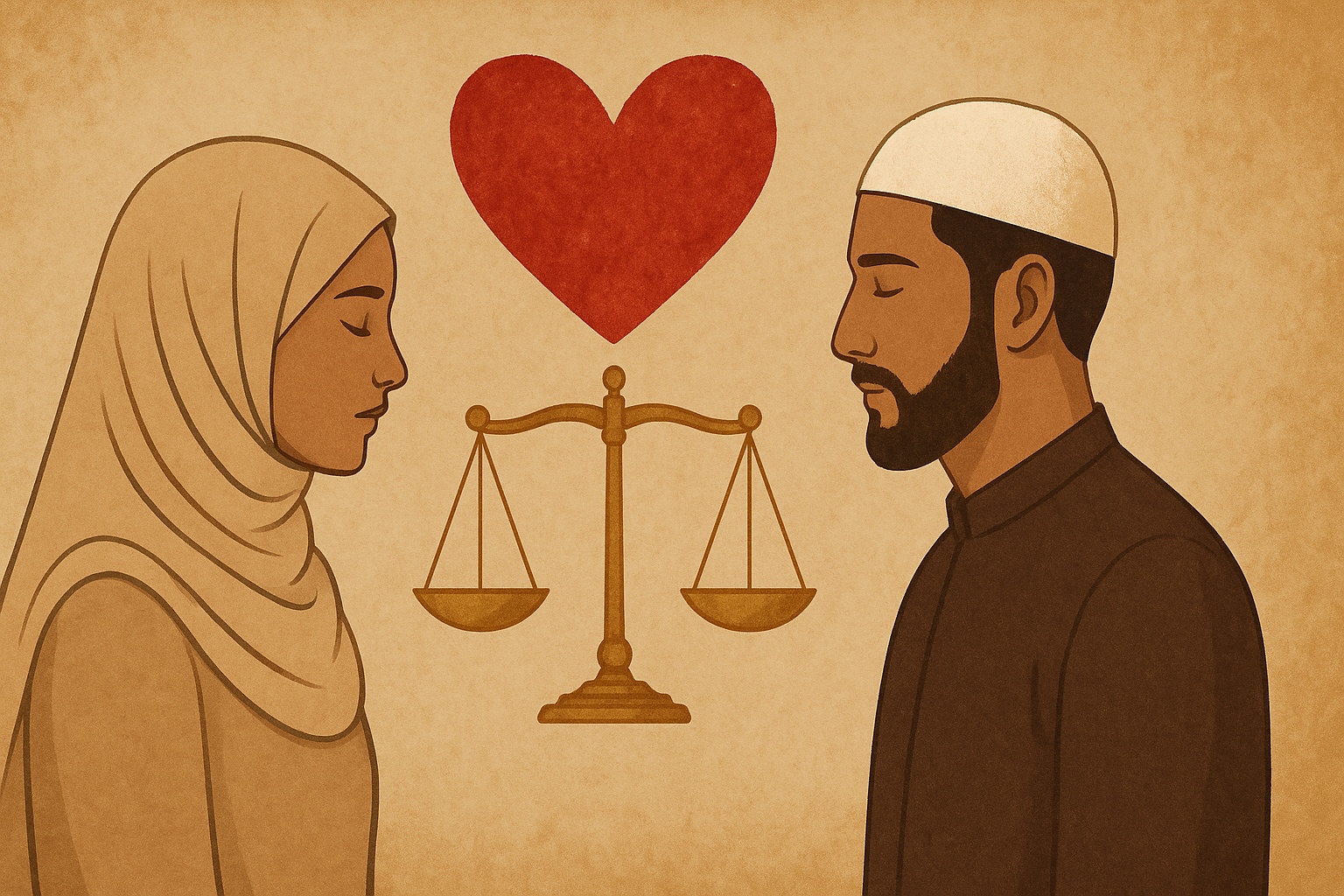
 The Image Isn’t the Marriage
In every generation, people have been captivated by the idea of marriage—the beautiful photos, the status of being “complete,” the picture-perfect narrative to share with family and friends. Yet real marriage is never a fantasy; it is a daily practice. It rests on character: the patience, respect, and mercy you witness when no one else is watching. Looks fade and trends shift, but character endures. When you choose a spouse, you are choosing a way of life—so marry character not image.
Moreover, modern life amplifies illusion. Social media filters, curated profiles, and polished stories can make the surface irresistible while masking deeper qualities. A relationship based mainly on aesthetics or status is fragile. By contrast, character—steadiness in hardship, kindness in conflict, trustworthiness in privacy—creates the conditions for safety, dignity, and growth. If you want a marriage that lasts, prioritise the person whose actions align with their words and whose faith grounds their choices.
The Mirage of the Perfect Story
It is easy to fall in love with appearances: the well-dressed professional, the impeccable family brand, the dream proposal under fairy lights. However, perfect stories are not the same as healthy marriages. The highlight reel often conceals vital truths about communication, emotional regulation, or responsibility. The question is not “How good does this look?” but “How does this person behave when plans change, tempers flare, or no one else is applauding?”
Furthermore, the digital world makes this challenge more complex. Romance fraud is a real and growing threat, costing UK victims over £106 million in 2024. Many platforms do not verify identities, leaving users exposed to deception and emotional harm. While appearances can be manufactured, character is revealed by consistency over time. This is why safety, verification, and transparent engagement are not optional extras—they are essential foundations for discerning the reality behind the image.
Character—the Quiet Architecture of a Lasting Nikah
Character is not a slogan. It shows up in small, often unseen choices: keeping a promise, apologising sincerely, speaking respectfully about family, paying debts on time, showing mercy when upset. It is the quiet architecture of stability. When the glam fades and the camera is off, character is what remains. It determines whether two people can mend after conflict, forgive without keeping score, and uphold each other’s dignity, especially in private.
In Islamic ethics, good character (khuluq) is not merely pleasant manners—it is an act of worship. Patience (sabr), God-consciousness (taqwa), and excellence (ihsan) hearten a marriage through stress, change, and loss. When you evaluate a potential spouse, ask: Do they guard your privacy? Do they honour boundaries? Are they fair when they are in the right and gracious when they are in the wrong? These traits, more than beauty or status, hold a marriage together.
Likewise, character safeguards intimacy. Trust grows when a partner consistently treats you with kindness, even when irritated, and speaks to you with respect, even during disagreement. Mercy is not weakness; it is strength under control. Over time, these habits create safety, value, and peace—the very qualities that make marriage not only sustainable but joyful.
Compatibility with Reality—Background, Values, and Circumstances
While character is central, compatibility matters. Marriage is not lived in ideals; it unfolds in the real world of work schedules, family cultures, finances, and life goals. As a result, aligning on core values and practical circumstances supports long-term harmony. This includes how you view faith practice, career ambition, financial planning, family involvement, and lifestyle expectations.
Moreover, socio-cultural compatibility—known in Islamic tradition as kafa’ah—recognises that people often flourish with partners who share a coherent life rhythm. For example, a top-tier family’s daughter may naturally seek someone whose professional trajectory and responsibilities mirror her own environment. This is not about elitism or worth; it is about realistic alignment that reduces friction. At the same time, Islam uplifts piety and character as the decisive criteria, reminding us that compatibility should never excuse arrogance or injustice.
Because compatibility is nuanced, approach it with balance. It is healthy to consider education, profession, and family expectations. It is also vital to remain open-minded, focusing on shared values, mutual respect, and spiritual direction. Your aim is not to replicate a social status; it is to build a marriage that can weather seasons, serve the community, and draw you both nearer to Allah.
Faith at the Centre—The Compass for Choices
Strong marriages do not merely coexist; they co-worship. When faith anchors your life together—through prayer, remembrance, charity, and service—your home gains a compass stronger than emotion or convenience. You disagree more gently, reconcile more quickly, and orient decisions toward what pleases God. Faith also reframes tests, turning setbacks into opportunities for patience, gratitude, and growth.
Additionally, prophetic guidance prioritises faith and character as marital criteria. When you evaluate a potential spouse, ask how they live their deen: Do they keep their prayers? Are they honest at work? Do they show mercy to those who can give them nothing in return? A shared commitment to God, practiced in daily habits, helps two people inspire and support each other, especially when life is demanding.
What Character Looks Like—Practical Signs You Can Observe
Because character can feel abstract, look for consistent behaviours you can observe. You can still be hopeful and romantic, but let your assessment be rooted in practical evidence rather than projection.
Consider the following signs:
- Integrity in small things: They arrive on time, they follow through, and they correct mistakes without excuses.
- Respectful speech: They avoid mocking, belittling, or gossiping—especially about family, friends, or former partners.
- Emotional regulation: They manage stress without cruelty, and they apologise without shifting blame.
- Boundaries and modesty: They interact appropriately, respect your limits, and protect your privacy.
- Reliability with money: They are transparent about earnings, debts, and spending priorities; they plan rather than improvise.
- Service and mercy: They help others without seeking praise, and they handle disagreements without humiliation.
- Teachability: They accept feedback, seek advice when needed, and show willingness to learn and grow.
- Consistency over time: Their values do not swing wildly with mood or company; what you see in public matches private reality.
When in doubt, seek insight from people who know them well—mentors, colleagues, family members—ideally through halal channels. You are not looking for flawlessness; you are looking for a reliable pattern. Ultimately, marry character not image by prioritising observable virtues over curated impressions.
From Idealism to Action—A Realistic Process for Choosing
Well Moving from ideals to action requires structure. Begin by clarifying your essentials—your must-have values, your non-negotiable red lines, and your lifestyle realities. Then define your preferences—traits you desire but can flex on as you meet real people. This distinction protects you from rejecting great matches over minor issues while ensuring you do not compromise on what truly matters.
Next, narrow your search to a realistic pool. Consider age, family expectations, location, and professional rhythms that align with your life. This is where the principle of kafa’ah helps. If your world demands odd hours, frequent travel, or postgraduate study, look for someone who either shares or supports that rhythm. Within that realistic pool, let character lead your decision, not prestige or appearance.
Finally, build a transparent courtship process. Involve trusted guardians or family in appropriate ways, pace your interactions, and prioritise questions that reveal values and habits. Schedule conversations that explore conflict styles, financial expectations, family roles, and faith practice. Agree on modest, halal meetings and avoid pressure to escalate quickly. Clarity beats chemistry alone, and patience protects dignity.
How Muslim Marriage Services Helps
You Marry Character, Not Image At Muslim Marriage Services (MMS), we designed a Shariah-compliant, values-led platform that helps you seek character with confidence. Because the digital world is rife with deception, we verify every member through Yoti, a Certified B Corporation and global leader in AI identity solutions. In a year when romance fraud cost UK victims over £106 million, robust verification is a moral duty, not a marketing line. Trust is the first safeguard of dignity.
We also offer advanced safety features to help you keep your family’s values at the centre. DynamIQ Guardian, our optional mahram monitoring, allows trusted oversight that deters deception, coercion, and predatory behaviour. ProfileShield enables secure profile sharing with optional guardian approval, so you can control what you reveal, when, and to whom. These tools shift power back to you and your family, aligning technology with Islamic ethics.
Beyond safety, MMS focuses on Islamic compatibility. Our matching process surfaces candidates aligned with core values and life rhythms, while preserving your autonomy in decision-making. You stay in control—choosing, pausing, or declining at every step—without pressure or manipulation. The goal is simple: connect sincere, serious candidates who are genuinely ready for marriage.
Because strong marriages are built, not stumbled upon, we also invest in pre- and post-marital education. MMS provides courses, coaching, and counselling that address communication, conflict resolution, Islamic rights and responsibilities, and financial planning. Moreover, we operate as a Certified Social Enterprise—reinvesting in community support and education—and we offer a Marriage Fund to ease financial barriers for those who need help to begin their life together.
Our Guardian Council, led by a respected female Shariah scholar and global family solicitor with over 20 years’ experience, guides our ethics and practice. Women’s voices are central to decision-making, ensuring balance and inclusivity. We also engage with other faith communities to promote shared values and cultural sensitivity—because trust, respect, and family stability are common goods. In short, MMS exists to help you find real connections—beyond appearances and fantasy—so you can marry character not image.
Common Myths—And Gentle Reframes
Myth 1: “Chemistry is everything.” Chemistry matters, but it is not a strategy. Attraction without trust or discipline can burn hot and burn out. Reframe: Seek steady warmth over sudden fireworks. Choose someone whose everyday behaviour protects your heart.
Myth 2: “High status can compensate for incompatibility.” Status may open doors, but it cannot resolve value clashes, entitlement, or arrogance. Reframe: Compatibility with reality—shared values, aligned lifestyles, and mutual respect—prevents chronic strain.
Myth 3: “I can fix their character after marriage.” You can inspire growth, but you cannot force transformation. Reframe: Look for humility and teachability now. Marry who they are, not who you plan to make them.
Myth 4: “Faith will fix it later.” Faith fixes us when we practice it. Reframe: Choose someone already striving—praying, acting with integrity, seeking advice, making tawbah. A living faith stabilises a marriage long before the wedding day.
What Families and Guardians Can Do—Support Without Pressure
Families play a vital role in healthy decisions. However, cultural pressure or unrealistic expectations can unintentionally delay good matches. Parents and guardians can help by clarifying what truly matters—deen, character, and compatibility—and by setting aside secondary concerns that exclude excellent candidates. The aim is not to lower standards; it is to honour the right standards.
In addition, encourage structured introductions with dignity. Support clear questions, modest meetings, and timely decisions. Ask about work rhythms, finances, living arrangements, and expectations for in-laws—openly and respectfully. When families protect principles without micro-managing personalities, young people gain confidence to choose wisely and quickly.
Building a Home of Mercy—Daily Practices That Strengthen Marriage
Even the best match needs maintenance. Build habits that feed trust: pray together, keep promises, speak gently, and apologise early. Budget as a team. Guard each other’s privacy. Praise more than you critique. Protect time for rest, learning, and family. These small acts do not make headlines, but they make homes.
Furthermore, invest in education. Attend pre-marital sessions before the nikah, and continue learning after the wedding. Couples who practise communication tools and conflict-resolution skills are better equipped to face tests. When the inevitable storms come, you will have already built the shelter.
Choose Peace Over Performance
Ultimately, a marriage is not a performance for others; it is a sanctuary for two souls to grow in faith and service. The right person does not merely fit an image; they embody qualities that make you feel safe, valued, and at peace. They challenge you kindly, support your dreams responsibly, and draw you nearer to God. Choose the person who shows up when it counts, not only when it shines.
Therefore, resist the pressure to curate a perfect story. Craft a true one. Begin with honesty about who you are, what you need, and how you live. Seek someone whose character meets you there—with compassion, integrity, and steadiness. Marry character not image, and you will build a life that outlasts trends.
Conclusion: From Fantasy to Foundations
If you remember one thing, let it be this: marriage is a daily practice of mercy. Looks will change; life will surprise you; plans will move. What endures is character. Within a realistic pool—aligned in values, background, and circumstances—character is the strongest predictor of a lasting, happy marriage. Strong marriages arise when two people inspire and support each other, and keep faith at the centre of their lives.
At Muslim Marriage Services, we help you do exactly that—seek real connections beyond appearance and fantasy. We verify identity, centre safety, and prioritise dignity. We match on Islamic values and life rhythms, not just images and slogans. We educate and support before and after the wedding. And we reinvest in the community so your marriage strengthens the ummah. If you are ready to choose character over performance, we are ready to walk with you.