

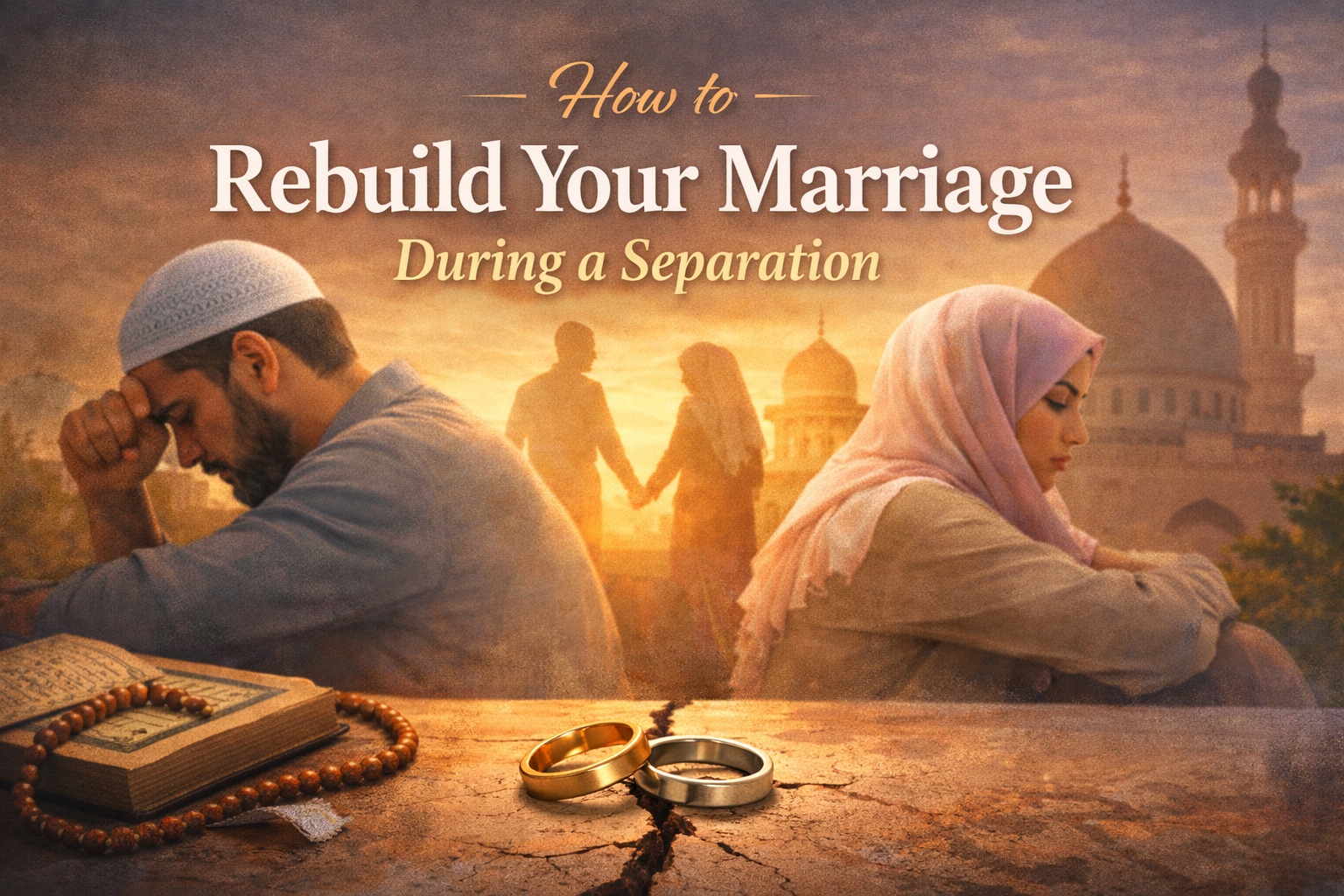
 When Love Feels Lost—There’s Still a Way Back
Every marriage goes through storms. But for many couples, a temporary separation can either mark the beginning of the end—or the turning point that revives love, faith, and connection. If you’re reading this, chances are you’re not ready to give up. You still believe your marriage has purpose, promise, and potential. And that’s the first seed of hope.
Rebuilding your marriage during a separation is not about erasing the past; it’s about understanding it, growing from it, and learning to love differently—more consciously, more compassionately, and more closely aligned with your shared values and faith. Whether you’re separated for emotional clarity, physical space, or religious counselling, the steps you take now can lead to a renewed, stronger bond built on trust, patience, and spiritual grounding.
So, let’s dive into practical rebuild marriage separation solutions that don’t just patch cracks but truly fortify the foundations of your relationship. Ready to take meaningful action? Let’s begin your journey of reconnection.
The Wake-Up Call—Understanding the Roots Before Rebuilding
Facing the Truth With Honesty and Compassion
Separation isn’t failure—it’s feedback. It’s life’s way of urging you to pause, reflect, and reassess what went wrong and why. The first step toward rebuilding your marriage is understanding yourself and your spouse with honesty. Reflection, accountability, and empathy must guide your actions. Avoid blaming; instead, aim to acknowledge.
During a separation, communication often reduces to practicalities—bills, children, logistics. But emotional communication, when safely and sincerely reintroduced, becomes a bridge. Schedule a calm moment (even if briefly) to talk about your feelings—not accusations, but observations. Use neutral language like, “This is how I’ve felt,” rather than “You made me feel.” This shift encourages openness instead of defensiveness.
Faith as the Foundational Anchor
In Islamic marriage, love isn’t merely emotional—it’s spiritual. Allah reminds us that He places affection and mercy between spouses as signs of His wisdom. That means your separation, while painful, could also be a divine opportunity for renewal. Make dua (supplication) for understanding, forgiveness, and reconciliation—not only for the relationship, but also for your heart.
Incorporate small acts of ibadah (worship) that you both can still share even while apart. Watch an Islamic marriage talk together online, read a hadith about mercy, or simply pray for one another. Shared spiritual actions subtly realign your hearts. By grounding your effort in faith, you remind yourselves that your marriage isn’t solely yours—it’s a trust from Allah.
The Rebuilding Blueprint—Practical Marriage Separation Solutions
1. Reconnect Through Respectful Boundaries
Boundaries protect peace and rekindle respect. During separation, it’s easy to swing between emotional overreach and complete detachment, both of which harm progress. Instead, agree on healthy communication boundaries—what topics are safe, which ones need mediation, and how often to check in. Clarity prevents old wounds from reopening prematurely.
Use your time apart wisely. Reflect on your contributions to conflicts, not just your reactions. Consider journaling your emotions and lessons. This isn’t about guilt—it’s about growth. When you come back to the table, you won’t just bring apologies; you’ll bring awareness, accountability, and emotional maturity.
2. Identify the Core Issues—Not the Symptoms
Many couples fight about surface issues like chores, communication, or finances, yet the root cause lies deeper—unmet emotional needs, unspoken expectations, or unresolved insecurities. Work with a faith-sensitive counsellor or a marriage coach who understands Islamic values. A neutral guide can help both of you discover hidden patterns while keeping the conversation respectful and halal.
This is where rebuild marriage separation solutions must blend psychology and spirituality. For instance, if your spouse feels unseen, the solution may be to increase expressions of appreciation rather than demand more compliance. If past wounds have eroded trust, rebuilding requires proof and patience, not promises alone. Addressing underlying causes prevents recurring cycles and makes reconciliation sustainable.
3. Communicate With Purpose—Not Pressure
When conversations resume, focus on understanding, not convincing. Reconnection happens when both partners feel emotionally safe. Use Islamic adab (etiquette): listen without interrupting, lower your tone, and choose words that heal rather than hurt. Remember, soft words can soften even hardened hearts.
Introduce positive language—compliments, gratitude, and gentle humour. A separated couple can still express kindness; in fact, it’s essential. Whether you discuss your future or your faults, ensure every interaction reflects dignity. Each respectful conversation becomes a small thread that quietly stitches your relationship back together.
Strengthening the New Foundation—From Separation to Solidarity
Reignite Emotional and Spiritual Intimacy
Once communication stabilises, emotional intimacy can slowly return. Start small—share memories that bind you, re-explore what first drew you to one another, and create moments of connection around shared routines. Rekindling love is rarely about grand gestures; often, it’s the consistency of small, sincere actions that rebuild hearts.
At the same time, incorporate spiritual reflection into this process. Read about the Prophet Muhammad’s (ﷺ) compassion toward his wives. Study how mercy and understanding shaped Islamic marital life. These lessons aren’t just historical—they are timeless blueprints for modern love grounded in faith, trust, and purpose.
If both partners renew their intentions for marriage as an act of worship, separation transforms from punishment into preparation. You’re not just returning to your marriage—you’re rebuilding it consciously, matching both emotional growth and spiritual maturity.
Seek Support and Surround Yourself With Wisdom
Even strong intentions need support. Turn to your guardian, counsellor, or imam—someone who understands Islamic marital ethics. Sometimes, objective advice illuminates blind spots that spouses overlook. Muslim Marriage Services (MMS), for example, offers Shariah-compliant guidance and educational resources for couples working through marital strain. Reconnecting through platforms that prioritise safety, faith, and education can help you rebuild with clarity.
Additionally, don’t underestimate the power of community. Engage in married couples’ workshops, attend modest social events, or volunteer together. Serving others reminds you of shared purpose and reduces isolation. As you move from separation toward reunion, surround yourselves with energy that fosters growth and mutual respect.
Long-Term Renewal—Sustaining the Rebuilt Connection
Cultivate Ongoing Education and Emotional Maintenance
Once reconciliation begins, sustain it through continuous learning. Attend marriage workshops, study conflict resolution techniques, and explore communication styles rooted in Islamic ethics. Just like a car needs regular servicing, marriage needs consistent care.
Build weekly rituals—like shared reflection nights or gratitude check-ins—to maintain emotional connection. Keep faith at the centre of your marriage’s rhythm. When you both commit to growth, stagnation becomes impossible. Over time, what once felt broken transforms into something stronger, more humble, and more resilient.
Turn Separation Into a Story of Redemption
Imagine telling your future children—or even yourselves years later—how you almost lost each other, yet through patience, prayer, and perseverance, you found a deeper love. That story alone is a testimony to faith, fortitude, and forgiveness.
Remember: the goal isn’t to return to how things were—it’s to emerge better than before. Every trial that Allah places upon you is a chance to polish your character. When you rebuild your marriage mindfully and spiritually, you’re not just repairing the bond between two people—you’re strengthening the fabric of your entire family and community.
Conclusion: Your Next Step—Act With Faith, Not Fear
A separation can bruise love, but it cannot kill it if faith and action remain alive. Rebuilding your marriage is a conscious choice—a daily recommitment to vulnerability, learning, and mercy. Whether your journey takes months or years, let each step be guided by Islamic harmony, humility, and mutual respect.
If you still feel lost, remember this: Allah’s mercy exceeds human mistakes. If He can forgive entire nations, surely He can restore two hearts willing to try again. So, take this chapter not as an ending, but as the beginning of a renewed, faith-filled love story—one that honours both your marriage and your Maker.
Start now. Reflect. Reconnect. Rebuild.