
There was no website. No platform. No established digital service.
But there was a question — one that would go on to shape the organisation we built:
How do you build trust into online Muslim matchmaking?
That question matters even more today.
Where It Began
In 2018, Muslim Marriage Services — MMS — was nominated for the Islam Channel Business Awards.
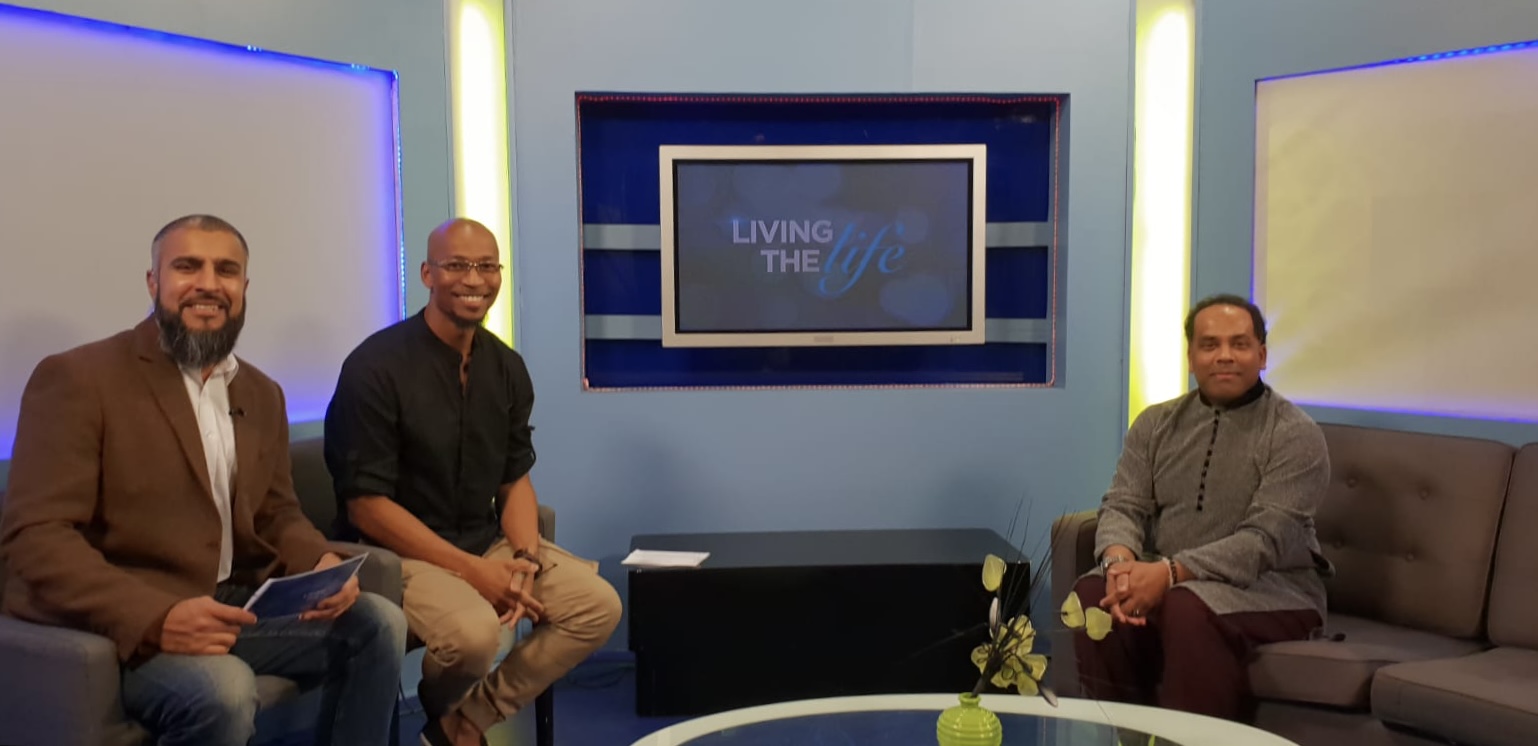
I was invited to appear on the Living the Life show to talk about the concept behind MMS, and later attended the awards ceremony.
At that stage, MMS was not the organisation it is today. It was a concept with a clear ambition: to explore how technology could help Muslims approach marriage with greater trust, confidence and accountability.
The recognition was encouraging, but the award nomination wasn’t the reason we were doing it.
The bigger challenge was understanding how a digital marriage service could address some of the fundamental problems that come with meeting people online.
The Questions We Were Already Asking
Even then, we were asking questions that remain highly relevant today.
How do you verify someone’s identity?
If people are going to consider someone for marriage through an online service, they need greater confidence that the person behind the profile is who they claim to be.
How do you detect fraudulent profiles?
Online platforms can create opportunities for people to misrepresent themselves. A responsible marriage service needs to think seriously about how fraudulent or suspicious activity can be identified and addressed.
And how do you build trust into the service itself?
Trust shouldn’t simply be something a user is expected to provide. It should be something the service actively works to support through its systems, processes and culture.
These weren’t questions we added years later because digital identity verification became fashionable.
They were part of the thinking from the beginning.
When the Technology Wasn’t There Yet
One of the challenges we encountered was technology.
We were looking for digital identity verification and fraud-screening solutions that could help address these problems, but suitable solutions were difficult to find at the time.
That meant the concept had to evolve alongside the technology.
The questions remained.
The ambition remained.
But the tools available to address those questions changed.
And that distinction matters.
Sometimes an organisation’s purpose can remain consistent while the technology, processes and operating model around it evolve considerably.
That is what happened with MMS.
From Concept to Service
Over the years, Muslim Marriage Services developed from that early concept into an organisation focused on building a more responsible approach to Muslim matchmaking.
Today, MMS uses mandatory Yoti digital identity verification, including proactive fraud screening, alongside a wider approach to safeguarding and community engagement.
The technology available to us today is very different from what was available in 2018.
But the underlying question is remarkably similar:
How do we build greater trust into online Muslim matchmaking?
The answer isn’t a single technology or feature.
Trust requires systems, accountability, safeguarding, responsible engagement and an understanding that technology alone cannot eliminate every risk.
The Social Impact Was Part of the Journey
There is another important part of this story.
MMS’ social purpose did not begin when we later became a certified social enterprise.
The formal structure and recognition came later, but the desire to create positive social impact was part of what we were trying to achieve from the outset.
The organisation has evolved, and so has our understanding of how we can create that impact.
Today, that thinking influences how we approach safety, verification, community engagement and the wider role we believe a Muslim marriage service can play.
The goal is not simply to create another platform where people can meet.
It is to contribute to a healthier, safer and more accountable approach to Muslim marriage.
Eight Years Later
Looking at the photograph from 2018, it would be easy to see it simply as an old picture from the early days of MMS.
For me, it represents something more.
It is a reminder that the questions we are addressing today were already being asked when MMS was still only a concept.
The technology has changed.
The organisation has evolved.
But the mission and the social impact we set out to create remain the same.
Eight years ago, we were asking questions.
Today, we are continuing to build practical solutions around them.
And perhaps that is the most important part of the story.
MMS did not begin with a website or a platform.
It began with a question: How do you build trust into online Muslim matchmaking?
And that question still guides us today.
To learn more about Muslim Marriage Services and our approach to safer Muslim matchmaking, visit Muslimmarriage.global.