
When preparing for marriage, most couples find themselves entirely absorbed in the immediate logistics of planning a wedding. From selecting venues and arranging catering to choosing outfits and managing guest lists, the lead-up to the big day can feel like a whirlwind. Yet, amid all the excitement and preparation, there is one critical conversation that many couples skip until after they have walked down the aisle: premarital medical testing.
Premarital medical testing is not about looking for excuses or reasons not to get married. Instead, it is about gaining a clear understanding of your personal health, protecting one another, and making fully informed decisions together as a team. Rather than being driven by fear, premarital health screening is an act of care, empathy, and long-term foresight.
What is Premarital Medical Testing?
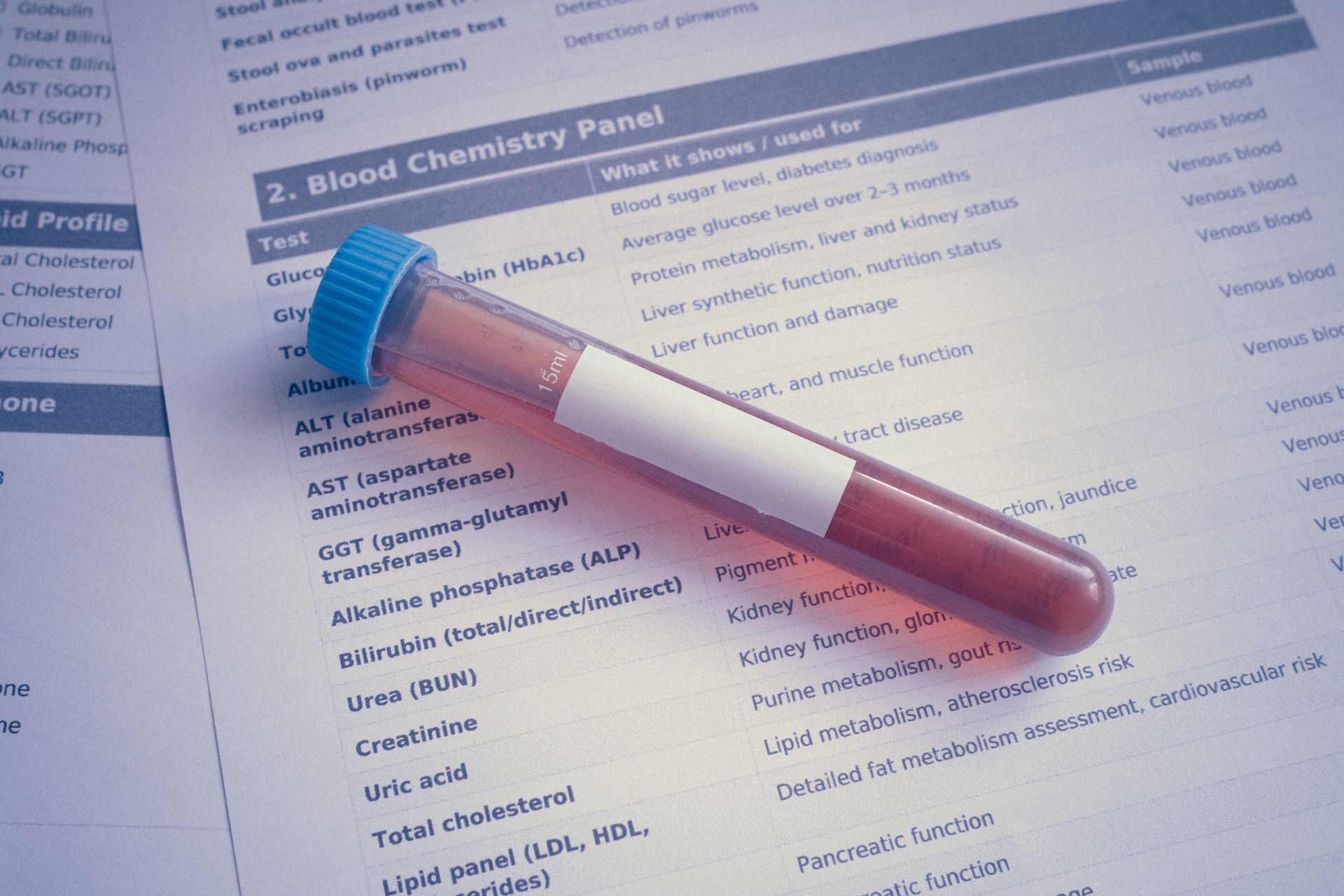
Premarital medical testing refers to a series of routine health checks, blood tests, and genetic screenings undertaken by prospective partners before getting married. The overarching goal is simple: to identify potential health conditions, genetic traits, or infectious diseases that could impact either partner or their future children.
It is important to dispel the common misconception that medical testing implies distrust or portends bad news. In reality, testing provides clarity. When you know your health status and that of your partner, you eliminate unnecessary guesswork and ensure that both of you are equipped to support each other’s physical and emotional well-being over a lifetime.
Key Aspects Covered in Premarital Testing:
-
Genetic Carrier Screening: Identifying inherited traits or recessive gene mutations that could be passed on to children.
-
General Blood Panels: Checking complete blood counts, blood groups, and Rhesus factor compatibility.
-
Infectious Disease Screening: Screening for manageable or communicable blood-borne conditions.
-
Chronic Disease Assessment: Reviewing conditions like diabetes, hypertension, or cardiovascular issues that require long-term lifestyle management.
-
Reproductive and Holistic Health: Discussing fertility expectations, physical health history, and mental well-being openly.
The Science of Genetics: Recessive Genes and Inherited Conditions
One of the primary reasons couples choose to undergo premarital testing involves genetic screening. To understand why this is so essential, it helps to look at basic human genetics and how recessive genes work.
Every person carries two copies of most genes—one inherited from their mother and one from their father. A recessive gene mutation is a variation in a gene that does not cause disease or symptoms as long as a person has one normal, functioning copy of that gene. Individuals in this situation are known as asymptomatic carriers. They are completely healthy, feel perfectly fine, and often have no idea that they carry a genetic mutation.
The 1 in 4 (25%) Chance
Problems only arise when two individuals who carry the exact same recessive gene mutation decide to have children together. When both parents are carriers of the same genetic condition:
-
There is a 25% (1 in 4) chance with each pregnancy that the child will inherit the mutated gene from both parents and be born with the condition.
-
There is a 50% (1 in 2) chance that the child will inherit one mutated gene and become an asymptomatic carrier, just like the parents.
-
There is a 25% (1 in 4) chance that the child will inherit two normal genes and be completely unaffected and non-carrier.
Inherited recessive conditions can vary in severity, ranging from manageable blood disorders to serious, life-limiting illnesses or lifelong disabilities. By identifying carrier status prior to marriage or conception, couples are given the power to make proactive choices about their family planning rather than being caught off guard later in life.
Who Needs Premarital Screening Most?
While premarital testing is beneficial for every prospective couple, certain groups stand to gain even greater peace of mind from thorough medical evaluations:
1. Biologically Related Couples (Consanguineous Marriages)
Because closely related individuals (such as cousins) share a larger portion of their ancestral DNA, the likelihood that both partners carry the exact same hidden recessive gene mutation is significantly higher than in unrelated couples. For biological relatives, genetic screening serves as an invaluable tool to evaluate potential inherited risks.
2. Couples with a Known Family History of Inherited Conditions
If your family has a history of conditions such as Thalassaemia, Sickle Cell Disease, Cystic Fibrosis, Spinal Muscular Atrophy (SMA), or hereditary heart conditions, testing allows you to verify whether those genes have been passed down to you.
3. Individuals from Specific Geographic or Ethnic Populations
Certain genetic conditions are far more prevalent within specific population groups due to historical geographic factors. For instance, Beta-Thalassaemia is more common in populations of Mediterranean, South Asian, and Middle Eastern descent, whereas Sickle Cell traits are more common in people of African or Caribbean ancestry. Targeted screening helps tailor tests to your specific background.
What Does a Premarital Health Check Involve?
A standard premarital medical assessment involves several distinct categories of health evaluations. Depending on where you live and your personal healthcare preferences, your GP or private health practitioner can tailor a package that fits your needs.
1. Blood Grouping and Rh Typing
Knowing your blood type is basic medical protocol, but checking your Rhesus (Rh) factor is particularly vital for future pregnancies. If an Rh-negative mother carries an Rh-positive baby (inherited from an Rh-positive father), her body may produce antibodies against the baby’s blood cells. Fortunately, modern medicine can easily manage Rh incompatibility with simple injections during pregnancy, but knowing your status in advance prevents unexpected complications.
2. Complete Blood Count (CBC) and Screening for Anaemia
A routine complete blood count checks overall health and can detect conditions like iron-deficiency anaemia or microcytic anaemia. Microcytic anaemia can sometimes be an initial indicator of a trait for Thalassaemia, triggering the need for further genetic testing.
3. Infection and Immunity Screenings
Screening for communicable conditions such as Hepatitis B, Hepatitis C, HIV, or other blood-borne infections ensures complete transparency between partners. It allows affected individuals to seek proper medical management, take preventative steps (such as vaccinations), and prevent transmission to their spouse.
4. Chronic Illness and General Health Checks
Screening for fasting blood sugar levels, kidney function, liver function, and blood pressure provides a clear snapshot of each partner’s current physical health. Managing chronic conditions like diabetes early leads to healthier outcomes for both partners over time.
The Role of Genetic Counselling
If your medical tests reveal that you or your prospective spouse carry a genetic mutation, the next step is to consult a qualified genetic counsellor.
Genetic counselling is a supportive process designed to help you understand your medical results without judgment or alarm. A genetic counsellor translates complex genetic data into clear, understandable information, explaining precisely what your results mean for your future.
Options Available to Carrier Couples:
Finding out that both you and your partner carry the same recessive gene does not automatically mean you cannot get married. Modern medical science offers several pathways for couples who test positive for shared traits:
-
Natural Conception with Prenatal Diagnostic Testing: Couples choose to conceive naturally and perform early diagnostic tests during pregnancy (such as Chorionic Villus Sampling or Amniocentesis) to determine if the fetus has inherited the condition.
-
In Vitro Fertilisation (IVF) with Pre-implantation Genetic Diagnosis (PGD): IVF technology allows doctors to screen embryos for specific genetic conditions before they are implanted in the uterus, ensuring that only unaffected embryos are selected.
-
Adoption or Foster Care: Some couples choose to build their families through adoption or fostering.
-
Informed Acceptance: Some couples choose to proceed with natural pregnancy, fully prepared emotionally, financially, and medically to care for a child who may inherit the condition.
The fundamental point is that information gives you choice. Testing grants couples autonomy over their lives and future family choices.
How to Approach the Conversation with Your Partner
Bringing up premarital medical testing can sometimes feel awkward or sensitive. One partner might worry that suggesting health checks implies a lack of trust or a fear of disease. However, framed properly, it becomes a powerful exercise in mutual care.
Practical Tips for Discussing Health Testing:
-
Start Early: Do not leave the conversation until the week before the wedding. Discussing health checks early in the engagement period gives you plenty of time to arrange tests and reflect on the results calmly.
-
Focus on Mutual Benefit: Frame the conversation as a shared responsibility. Use “we” statements rather than “you” statements (e.g., “Let’s both get a standard health check so we can look after each other better” rather than “I want you to get tested”).
-
Emphasise Family Planning: Highlight that health checks are primarily about protecting future children and ensuring both of you enjoy long, healthy lives together.
-
Normalise the Process: Treat premarital screening as a routine, sensible step in modern relationship planning—just like discussing finances, living arrangements, or career goals.
Final Thoughts: Knowledge is Empowerment
You should never get tested out of fear. You should get tested because information gives you choices.
Leaving crucial questions unasked until after the wedding day can lead to unnecessary distress down the line. By taking a proactive approach to your physical, genetic, and mental well-being before marriage, you and your prospective partner lay a solid foundation built on honesty, care, and practical wisdom. Get informed, get prepared, and make decisions about your future together as a confident team.