

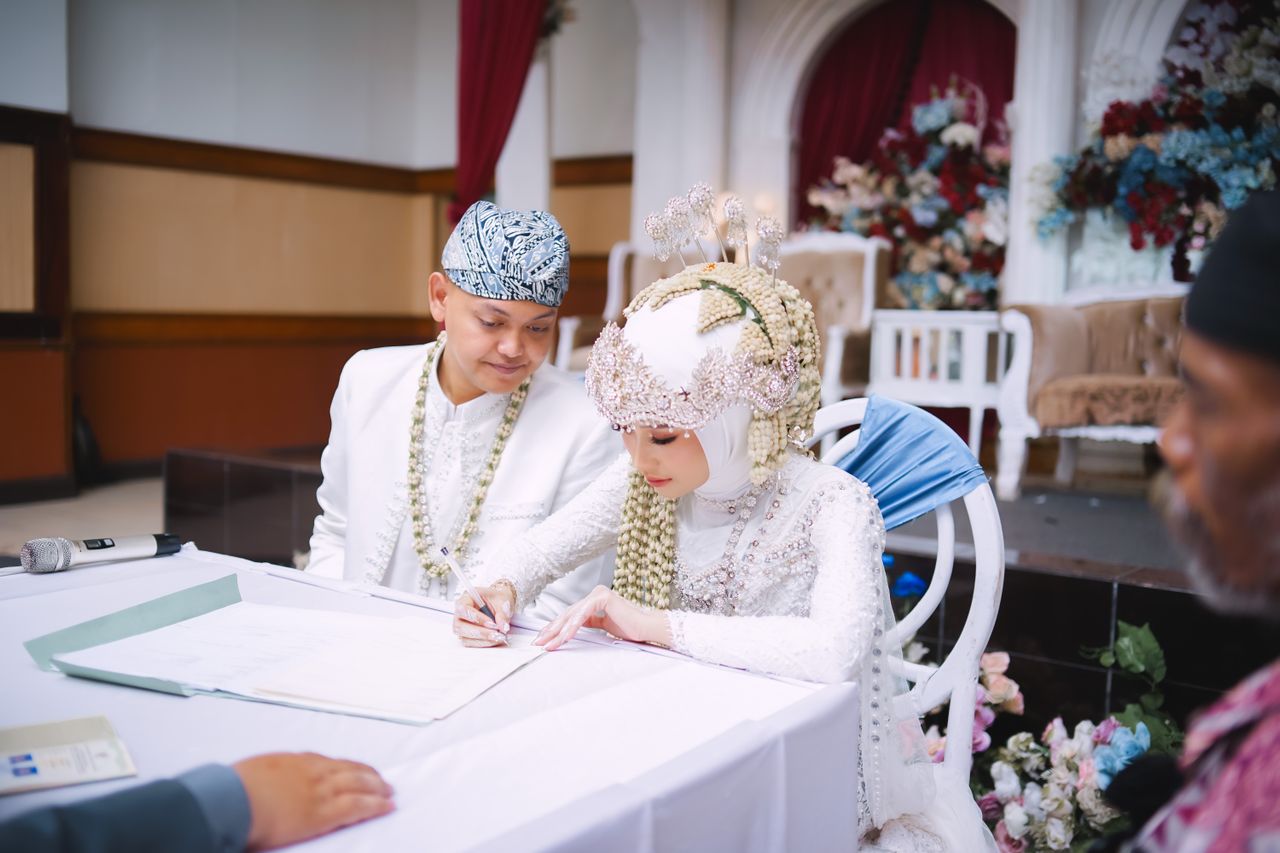
When two people step into an Islamic marriage, the air is filled with hope, prayers, and celebratory excitement. Families gather, blessings are showered, and the focus naturally turns to wedding logistics, attire, and feasts. Yet, amidst the joy, one of the most critical steps of the entire marriage process is frequently rushed, overlooked, or treated as a mere formality: the Nikah contract (Aq’d al-Nikah).
Before you say “Qubool” (I accept), there are foundational agreements that should already be clarified and documented in writing. Contrary to popular misconception, an Islamic Nikah contract is not a cold, modern pre-nuptial agreement designed in anticipation of failure. Rather, it is a sacred Islamic legal instrument explicitly designed to protect both partners, honour divine rights, and establish absolute clarity from day one.
In many Muslim communities, cultural awkwardness or fear of appearing untrustworthy stops brides and grooms from opening up crucial discussions about their future. But discussing your rights and expectations before signing a contract isn’t being difficult—it is being responsible, clear, and proactive. Marriage in Islam is built upon clarity, trust, and transparency.
Here is a comprehensive breakdown of the core areas every couple should thoroughly discuss and stipulate in writing before entering into the bond of marriage.
1. The Mahr: Mandate, Amount, and Payment Structure
The Mahr (dower) is a mandatory financial gift given by the groom to the bride as a symbol of respect, commitment, and responsibility. Under Islamic law, the Mahr belongs exclusively to the bride. Neither her parents, her husband, nor her extended family have any legal right or claim over it.
Despite its clear religious mandate, discussions surrounding the Mahr often fall into two harmful cultural extremes: either making it an astronomical, unrealistic sum for social status, or treating it as a token gesture without defining how or when it will be fulfilled.
Key Details to Specify in Writing:
- Exact Quantum: Clearly state the total value of the Mahr, whether in currency, gold, property, or other valuable assets.
- Immediate vs. Deferred (Mu’ajjal vs. Mu’ajjal): State explicitly how much of the Mahr is to be paid immediately before or at the time of the Nikah (Mahr Mu’ajjal), and how much is deferred (Mahr Mu’ajjal).
- Payment Schedule: If any portion of the Mahr is deferred, set concrete dates or specific trigger events for its payment (e.g., paid in fixed yearly instalments, or upon a specific date).
Establishing complete clarity regarding the Mahr prevents future misunderstandings and ensures that the bride’s divine financial right is properly honoured and fulfilled.
2. Living Arrangements: Independent Accommodation and In-Laws
Where a couple lives after marriage is one of the most frequent sources of marital tension across cultures. In Islamic jurisprudence, a wife has an established right to safe, suitable, and independent housing (Sukna) that accords with her husband’s financial capability, where she enjoys personal privacy and autonomy.
While joint family systems are common and can offer wonderful support networks, they also introduce complex dynamics regarding boundaries, privacy, and domestic responsibilities. Leaving living arrangements vague based on spoken promises often leads to friction down the line.
Key Considerations to Put in Writing:
- Type of Housing: Specify whether the couple will move straight into an independent living space (a separate flat or house) or live in a shared family home.
- Defining “Independent”: If living within a family property, define what constitutes independent quarters—such as a dedicated floor or self-contained suite with a private kitchen, bathroom, and entrance.
- Timelines for Transition: If the couple agrees to live with extended family temporarily, document an explicit timeline and financial plan for when they will transition into their own independent accommodation.
Having an open, transparent discussion about housing prior to the Nikah ensures that both partners share identical expectations regarding their daily living environment and privacy boundaries.
3. Monogamy Stipulations and Marital Conditions
Islamic jurisprudence provides mechanisms for couples to negotiate and include valid conditions within their marriage contract, provided those conditions do not render forbidden what is permissible or vice versa. One of the most frequently discussed clauses pertains to monogamy.
According to major classical legal schools—most prominently the Hanbali school, with well-documented precedents across other jurisprudence traditions—a woman can stipulate a condition in her Nikah contract that her husband shall not take an additional wife during their marriage.
How This Works in Practice:
- Legality of the Condition: The inclusion of a monogamy clause does not alter general Islamic law, but it forms a legally binding agreement between the two specific parties.
- Consequences of Breach: If a husband enters into a secondary marriage despite signing a valid monogamy clause, the wife is granted legal grounds to dissolve the marriage (Fasakh) or exercise agreed-upon remedies without losing her financial rights or Mahr.
- Clear Documentation: To avoid future legal ambiguity, the clause must be drafted clearly and explicitly within the signed Nikah document.
Addressing this topic in advance removes ambiguity, addresses mutual comfort levels, and ensures both parties are completely aligned on the structure of their union.
4. Career Development and Higher Education
Islam historically elevated women by granting them full financial independence, the right to own property, and the right to pursue knowledge. However, modern professional and educational aspirations require deliberate coordination between spouses.
A bride who is completing a degree, pursuing specialized training, or establishing a career should not have to guess whether her goals will be supported post-marriage. Documenting these aspirations within the Nikah contract provides structural protection and peace of mind.
What to Detail in the Contract:
- Educational Goals: Explicitly permit the wife to enrol in, complete, and pursue higher education degrees or professional qualifications without unreasonable restriction.
- Professional Work: Stipulate the wife’s right to seek employment, maintain a career, or operate a business after marriage.
- Financial Independence: Reaffirm that any income or assets earned by the wife through her work remain 100% her personal property, while the primary financial obligation for household maintenance (Nafaqah) remains with the husband.
Clarifying career and educational expectations early prevents future conflicts over time management, domestic roles, and personal ambition.
5. Location, Relocation, and Geographical Mobility
We live in an increasingly mobile world. Career advancements, family commitments, higher education, or economic opportunities frequently require individuals to move across cities, regions, or international borders.
Disagreements over where to settle or whether to relocate for a job offer can place enormous strain on a young marriage. Discussing geographical boundaries before signing the contract ensures that both partners are on the same page regarding their long-term environment.
Strategic Questions to Document:
- Primary Residence: Define the primary city, town, or country where the couple will establish their marital home.
- Relocation Clauses: Specify conditions under which either spouse agrees to move (e.g., only for mandatory career transfers, or only to specific countries).
- Proximity to Family: Document any mutual agreements regarding living within a reasonable distance of either spouse’s aging parents or primary support networks.
By setting geographical parameters early, couples protect themselves against unexpected relocation pressures down the road.
6. Special Conditions, Lifestyle Boundaries, and Tafweed al-Talaq
Every couple is unique, with specific personal, spiritual, and family dynamics. The Nikah contract is flexible enough to accommodate custom stipulations tailored to a couple’s individual circumstances, provided these conditions adhere to Islamic principles.
Key Custom Stipulations May Include:
A. Delegation of Divorce Rights (Tafweed al-Talaq)
While the primary right of divorce (Talaq) rests with the husband under Islamic law, a husband can legally delegate the right to pronounce divorce (Tafweed) to his wife within the contract. This grants the wife the legal authority to dissolve the marriage herself under specified circumstances (such as abuse, abandonment, or breach of contract) without having to go through a lengthy judicial annulment process (Fasakh).
B. Household Responsibilities and Domestic Life
Couples can include general principles or agreements regarding how domestic tasks, childcare duties, and household expenses beyond basic maintenance will be shared or managed.
C. Lifestyle and Boundary Expectations
Stipulations can address spiritual commitments, frequency of travel, digital privacy expectations, or boundaries regarding personal interactions.
Overcoming Cultural Guilt: Clarity Is Sunnah
Despite the undeniable wisdom and legal protection built into the Islamic contract system, cultural stigma remains a major barrier. Sisters, in particular, are often made to feel guilty or awkward for presenting contract clauses, as if asking for their Islamically granted rights is a sign of mistrust, cynicism, or being “difficult.”
It is vital to dismantle this cultural narrative:
- Clarifying Rights is a Prophetic Ethos: The Prophet Muhammad (peace be upon him) emphasized the utmost importance of fulfilling conditions agreed upon in marriage, stating: “The conditions most deserving of fulfilment are those by which marital relations become permissible for you” (Sahih al-Bukhari).
- Contracting Is an Act of Worship: Fulfilling agreements and documenting financial and social commitments is directly commanded in the Quran (Surah al-Baqarah, 2:282). Ensuring transparency in your marriage honours Allah’s law.
- Prevention Is Better Than Cure: Misunderstandings do not happen because people are bad; they happen because people hold unstated, differing expectations. Putting agreements in writing removes ambiguity and protects the love and respect between partners.
Practical Steps to Prepare Your Nikah Contract
If you are currently preparing for marriage or having pre-marital discussions, follow these practical steps to construct a legal and spiritually sound contract:
- Start the Conversation Early: Do not leave contract discussions to the week of the wedding. Begin discussing these core themes early in your pre-marital conversations.
- Consult Knowledgeable Scholars: Ensure that any special conditions or clauses you draft are jurisprudentially valid according to recognized Islamic legal principles.
- Ensure Civil Legal Alignment: A Nikah document handles Islamic marital rights. Check local civil legal requirements in your jurisdiction to ensure your marriage is also legally recognized and enforceable under civil law.
- Draft Jointly and Respectfully: Approach contract drafting as a collaborative exercise, not an adversarial negotiation. Frame clauses in terms of mutual clarity, protection, and long-term peace of mind.
Conclusion
A successful Islamic marriage is built on a foundation of mutual love (Mawaddah), mercy (Rahmah), and legal clarity (Adl). The Nikah contract is not a sign of doubt—it is a blueprint for success. By sitting down together, discussing your rights, establishing clear boundaries, and putting those commitments in writing, you honour your partner and uphold the legal framework established by Islam.
Before you say “Qubool,” take the time to build a solid foundation of clarity, trust, and transparency. May Allah bless all upcoming marriages with wisdom, harmony, mutual respect, and peace. Ameen.