

 Why Planning Your Family Matters Now
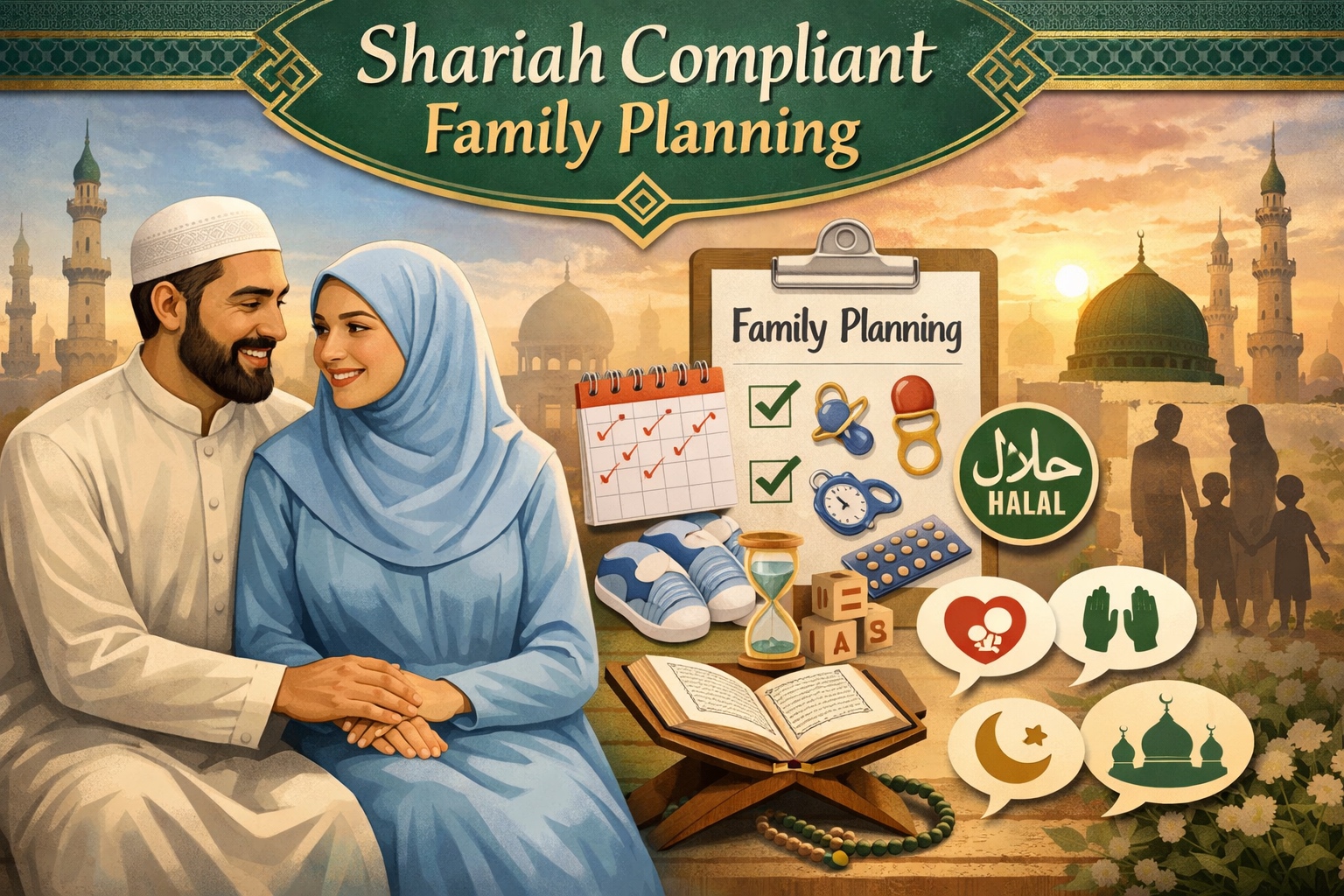
Planning a family is one of the most meaningful decisions a couple will make. It touches on faith, trust, health, finances, and the future you hope to build together. In a world where pressures are growing—from the rising cost of living to the complexities of modern work—thoughtful, values-driven planning becomes a source of calm. It helps you align expectations, reduce unnecessary stress, and protect your marriage from avoidable misunderstandings.In the Islamic tradition, intention matters. Marriage is not only a union of hearts but also a partnership of responsibility. When couples plan with sincerity and foresight, they honour each other’s rights, safeguard future children’s wellbeing, and embody the prophetic ethic of balance. With open communication, reliable information, and spiritual grounding, family planning becomes an act of worship and wisdom.
Trust, Tranquillity, and Tawakkul—The Case for Planning
Family planning does not replace trust in Allah; it expresses it. Tawakkul is not passive. We tie our camel, then place our trust in Allah’s decree. In practice, that means expressing your hopes, identifying your limitations, and making choices that respect your health, finances, and emotional readiness—together. Planning invites sakinah (tranquillity) into the marriage by reducing guesswork and promoting clarity.
Moreover, thoughtful planning strengthens your bond. When you map out your hopes—how many children you would like, preferred spacing, and how you will handle work or study—you signal respect and commitment. You demonstrate that your partner’s concerns matter and that you are willing to adjust for the long-term good of the family. Over time, this fosters a resilient partnership founded on mutual care and trust.
Conversations That Count—Topics Every Couple Should Cover
Start with the essentials. Discuss your vision of family size, timelines, and spacing. Talk openly about fertility expectations, health considerations, and daily rhythms of family life. Consider the practicalities: What would a typical weekday look like with a newborn? How will you balance breastfeeding or night feeds with prayer and work? What support might you need from extended family or community?
Next, address roles and responsibilities with nuance. Who will take parental leave? How will you share sleep, chores, and childcare? Will you prioritise paid work, caregiving, or a hybrid model at different stages? Crucially, talk through emotional security vs financial stability. You may find that one partner values a tightly managed budget while the other prioritises a calm, connected home life. Rather than choosing one over the other, work towards a plan that protects both—by setting a living budget and a relational budget of time, rest, and presence.
Faithful Foresight—What Islamic Principles Offer
Islamic teachings emphasise mercy, justice, and responsibility within marriage. Couples are encouraged to make prudent decisions that protect health, uphold rights, and support the family’s stability. Many scholars allow reversible methods of spacing children with mutual consent, especially when health, mental wellbeing, or capacity to care are at stake. If a question lies outside your knowledge, consult both a qualified scholar and a trusted health professional.
Furthermore, planning aligns with the maqasid (higher objectives) of Shariah—preserving life, intellect, family, and faith. When you time pregnancies to safeguard maternal health, nurture your marriage, and ensure adequate provision, you honour these objectives. You also reduce the likelihood of resentment, burnout, or unresolved conflict—issues that can strain even the most loving marriages.
Health and Halal—Working with Professionals Responsibly
Your GP, midwife, or a qualified family planning specialist can clarify health-related considerations, from fertility windows and nutritional needs to safe spacing. They can advise on reversible methods, potential side effects, and contraindications based on your medical history. Their input can help you move from uncertainty to clear choices that respect both your religious ethics and your wellbeing.
Alongside medical guidance, seek spiritual clarity. A knowledgeable imam or female scholar can outline general principles and common positions regarding family planning. They may also help you navigate difficult scenarios: existing health conditions, previous pregnancy complications, or emotional readiness. By integrating clinical advice with Islamic guidance, you secure a plan that is both safe and Shariah-compliant.
Money, Work, and the Marriage Ecosystem
Finances shape family life—quietly but powerfully. Create a simple budget that includes rent or mortgage, utilities, food, transport, zakat and sadaqah, childcare, and an emergency fund. Then layer in one-off costs: maternity wear, baby essentials, pram or sling, and potential time off work. In the UK, review statutory maternity pay, shared parental leave, and employer policies early; this knowledge can transform stress into strategy.
Yet money is not everything. A home thrives on compassion, patience, and presence. Avoid framing every decision as emotional security vs financial stability. Instead, plan for both. Safeguard core savings while protecting your marriage’s emotional climate—guarding evenings for rest, weekly time for each other, and spiritual routines that anchor the family. Remember: wealth is a resource, but love and mercy are the fabric of the home.
Values in Action—Schooling, Discipline, and Daily Life
Talk through your philosophy of parenting and discipline. Will you prioritise gentle, consistent boundaries? How will you ensure fairness and avoid punitive habits formed under stress? Decide how you will balance Arabic or Qur’an classes with play, creativity, and rest. Moreover, consider schooling pathways—state, private, home education, or an Islamic school—and what each means for your budget, schedule, and spiritual aims.
Consistency between parents matters. Children feel safest when the adults around them act as a unified team. To that end, create a simple “family charter” with a handful of shared principles: kindness first, no shouting, clear routines, and a weekly family meeting. These commitments support harmony and give you a framework to return to when life gets busy.
The Role of Technology and Community—How MMS Helps
Modern life can be isolating, and a lack of trusted networks makes informed decisions harder. Muslim Marriage Services (MMS) offers a trustworthy, Shariah-compliant ecosystem that places dignity and safety first. Every member completes secure digital ID verification through Yoti, a Certified B Corporation renowned for robust AI identity solutions. This reduces impersonation, romance fraud, and other risks that can derail a marriage journey before it begins.
Beyond verification, MMS’ safety features empower couples and families to participate with confidence. DynamIQ Guardian allows optional mahram monitoring to protect users from deception and coercion. ProfileShield enables secure profile sharing with optional guardian approval. Together, these features foster honesty, transparency, and respect. MMS also invests in marriage education, coaching, and counselling—so you learn not just how to meet, but how to thrive as spouses and, in time, as parents. With initiatives such as the Marriage Fund, MMS strengthens the Ummah by easing financial barriers to nikah for those in need.
Practical Planning Toolkit for Couples
Create a shared roadmap. Start with a 12–24 month horizon that includes health checks, financial milestones, and relationship goals. Schedule premarital or early-marriage education to deepen your skills in communication, conflict resolution, and rights and responsibilities. Then build a simple rhythm: a monthly “family finance and feelings” conversation, a weekly check-in about energy and workload, and a daily ten-minute reset where you reconnect without screens.
Document decisions lightly but clearly. Draft a one-page plan that records agreed timelines, parental leave intentions, childcare preferences, and schooling principles. Add a shortlist of trusted advisors—your GP, a local scholar, a counsellor, and a couple you admire. Keep this document flexible. Life happens. A plan should provide direction, not domination.
Navigating Health, Fertility, and Timing with Compassion
Every couple’s journey is unique. Some conceive quickly; others face delays. Some experience loss and heartbreak. Approach timing with compassion and humility. If challenges arise, support each other emotionally and practically. Seek medical assessment where appropriate, and consider counselling to process grief or anxiety. Remember that your worth is not defined by timelines. Your marriage deserves gentleness in every season.
At the same time, understand your natural fertility patterns if that aligns with your values. Learn about cycle tracking, signs of ovulation, and postpartum realities such as breastfeeding and recovery. Knowledge helps you make responsible choices about spacing and readiness. When combined with du’a, istiqama (steadfastness), and mutual consent, it brings balance to an intensely personal part of life.
Common Pitfalls—and How to Avoid Them
Silence and assumptions often cause more trouble than difficulties themselves. Do not postpone difficult conversations until after a baby arrives. Instead, speak early and often. Tackle worries around money, intimacy, and in-law involvement with warmth and clarity. Set gentle boundaries: times for rest, times for guests, and times when you will simply say no for the sake of your health and marriage.
Another common pitfall is over-optimism about time and energy. Babies and toddlers reshape your schedule and your sleep. Build margin into your life. Keep extracurricular commitments light. Protect your prayer, your rest, and your connection as a couple. When in doubt, simplify. What you remove now often yields the space your growing family truly needs.
Building a Home Culture—Faith, Ritual, and Routine
Strong families grow from strong daily habits. Establish simple rituals that carry spiritual warmth: Fajr together when possible, a short Qur’an recitation after Maghrib, and a weekly family du’a circle. Frame chores and care work as acts of worship. Share victories and struggles openly so gratitude and patience have room to breathe.
Your home culture should express ihsan (excellence) without perfectionism. Aim for consistency over intensity. Five minutes of sincere connection outranks fifteen minutes of distracted effort. Children internalise what they see. When they witness mercy, cooperation, and trust, they develop the emotional literacy and spiritual confidence to flourish.
Work, Rest, and the Art of Sustainable Giving
Parenthood asks for generosity; sustainable parenthood asks for wise limits. Agree a rhythm that honours both spouses. Consider part-time work, flexible hours, or time-limited career pushes followed by periods of consolidation. Check in on each other’s mental health. Encourage personal growth—courses, reading, exercise—so each partner remains energised, not depleted.
This is not selfishness; it is stewardship. When parents protect their core energy and spiritual life, they give their children the best gifts: patience, presence, and calm. In turn, the marriage stays vibrant. You reduce resentment and cultivate gratitude. Over years, that becomes the family’s quiet strength.
Community, Mentorship, and the Wider Ummah
No family thrives alone. Seek couples a few steps ahead who share your values. Ask what surprised them most, what they would do differently, and how they keep their marriage tender under pressure. Offer support to peers navigating similar stages—meal trains, childcare swaps, or practical advice about schools and services. In community, burdens feel lighter and joys expand.
This is where platforms like MMS add lasting value. They do not simply introduce individuals; they nurture a culture of ethical engagement, informed choice, and supportive relationships. Through the Guardian Council’s guidance—led by experienced, respected scholars and professionals—MMS champions balanced, Shariah-compliant practice, with women’s voices central to its decision-making. That leadership helps couples make grounded, compassionate choices from courtship to co-parenting.
A Gentle Roadmap—From Intention to Insha’Allah
Before marriage: Learn together. Seek counselling or premarital education. Discuss timelines, spacing, and roles. Agree how you will make decisions when you disagree. Set a savings goal and a “time goal” for your relationship health.
First year of marriage: Build team habits—budgeting, conflict resolution, and shared worship. Learn each other’s stress signals. Practise repair when you stumble. If you decide to delay children for a time, name the reasons and timeline clearly.
Preparing for pregnancy: Check in with your GP, adjust nutrition and sleep, and discuss workload. Consider how you will handle visitors, privacy, and postpartum support. Revisit your budget and your boundaries.
Newborn phase: Keep expectations kind. Sleep where you can, simplify tasks, and accept help. Schedule micro-moments of connection. Recalibrate roles weekly as energy and needs change.
Toddler and beyond: Revisit schooling choices, work rhythms, and spiritual routines. Schedule time for your marriage. Children benefit when parents keep their bond strong.
Conclusion: Planning with Love, Living with Trust
Family planning is not a rigid script; it is a living conversation between two people who love Allah and each other. It weaves intention with action, wisdom with warmth, and strategy with du’a. When you plan with compassion—seeking knowledge, honouring health, nurturing faith—you set your family on a path of clarity, trust, and long-term happiness.
MMS exists to support that journey. With verified safety, guardian-enabled features, and education designed for modern Muslim life, we help couples move from uncertainty to confidence—without compromising values. Visit muslimmarriage.global to explore guidance, courses, and community resources that can help you plan your family with clarity and care. Ameen.
Practical Note
This article offers general information to support thoughtful decision-making. For personalised guidance, consult qualified health professionals and trusted Islamic scholars.