
A Personal Message and a Collective Responsibility
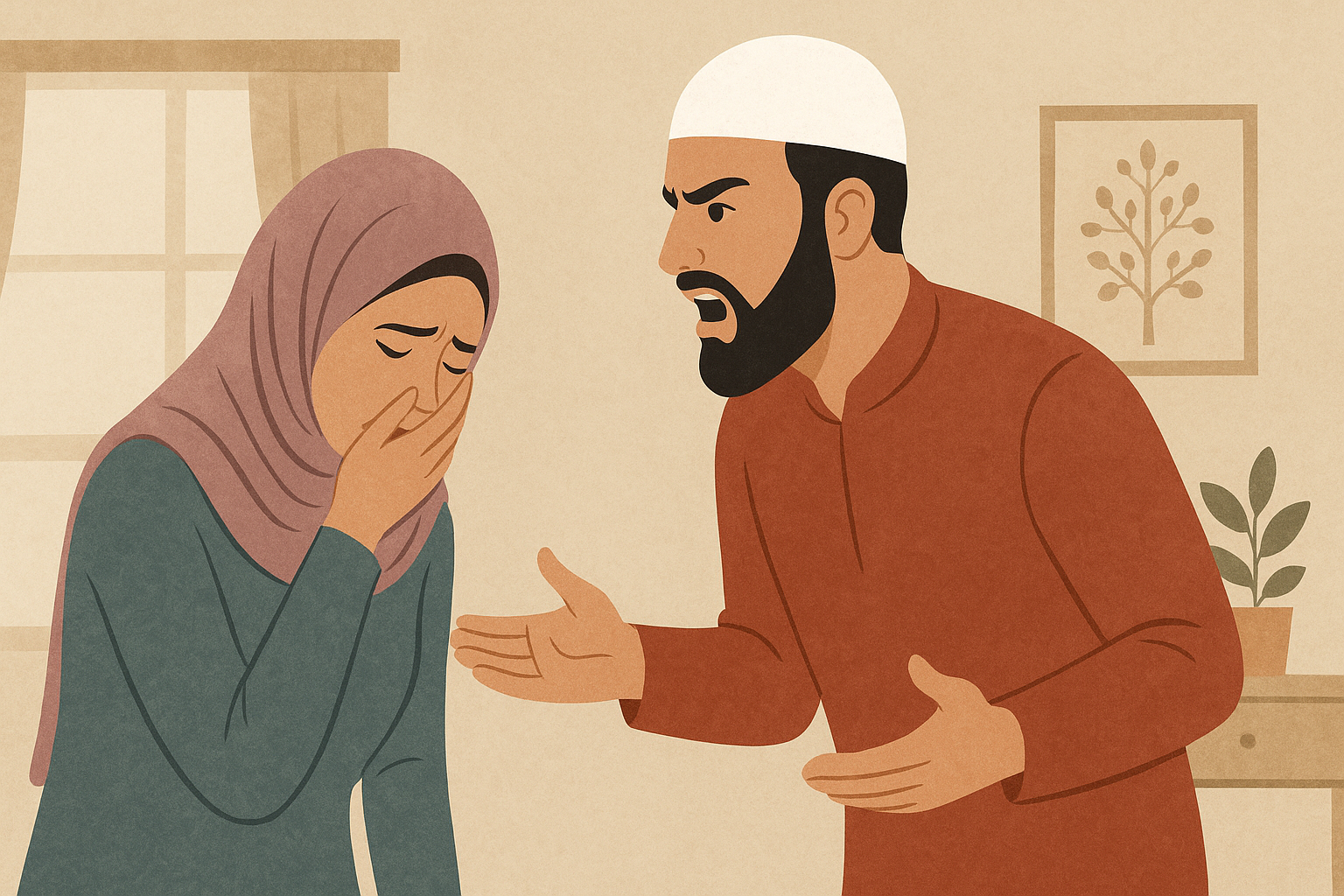
Salaams, I’m Mostafa Karim from Muslim Marriage Services (MMS). Today, I want to talk about domestic violence—often referred to as DV—in marriages, including within the Muslim community. This is not a distant issue or an abstract concept. It happens in real homes, affects real families, and leaves real scars. It can be physical, verbal, sexual, psychological, emotional, spiritual, or financial. In England and Wales, the Office for National Statistics reports that 1 in 4 women will experience abuse, and, tragically, two women are murdered each week by a partner or ex-partner. Men suffer too; estimates suggest 712,000 men experienced abuse in 2024. These numbers aren’t just statistics—they represent people we love, people we know, and sometimes ourselves.
Because many Muslim platforms focus solely on matchmaking and silence the harder conversations, the result is a painful gap between real life and real support. At MMS, we refuse to ignore this reality. As a Certified Social Enterprise and a Shariah-compliant platform built on trust and ethical innovation, we are committed to speaking openly about safeguarding, dignity, and accountability. I have personally experienced DV in my first marriage and have shared this publicly—on podcasts, as a lead panellist on SingleMuslims UK TikTok channel, and in Season 2, Episode 4 of Divorced Muslims: A Second Chance, which MMS supported after sponsoring Season 1. Breaking the silence is not just a statement; it is a responsibility.
Understanding DV: What It Is—and What It Is Not
Domestic violence is not a “bad patch” or a personality clash. It is a pattern of behaviours designed to dominate, degrade, or control another person. This can include physical harm, threats, forced intimacy, intimidation, stalking, continuous criticism, isolation from family and friends, financial control, and spiritual manipulation. In some domestic violence marriages, abuse hides behind the misuse of religious language: quoting Islamic texts out of context to justify harm, denying access to education or work, or using guilt to force compliance. However, Islam does not sanction cruelty; abuse is never a sign of piety.
It’s also crucial to distinguish conflict from abuse. Conflict exists in every marriage and can be addressed through communication, empathy, and compromise. Abuse, by contrast, thrives on fear and asymmetry—it strips the other person of their voice and safety. While disagreements can be resolved, abuse requires intervention, accountability, and often separation to ensure safety. Moreover, the “cycle of abuse”—tension building, incident, reconciliation, calm—traps victims in a loop of hope and harm. Recognising that pattern is often the first step toward breaking it.
Faith, Law, and Human Dignity: The Islamic and Legal Perspective
Islamic tradition affirms the inviolability of human dignity. The Prophet Muhammad (peace be upon him) modelled gentleness, compassion, and restraint in domestic life. The Qur’anic standard of “ma’roof” (good, honourable conduct) sets a high bar for marital behaviour, including kindness, justice, and mutual respect. Therefore, any reading of Islam that normalises abuse contradicts the spirit and letter of our faith. Couples may face hardship; they may need counsel; they may even part. But cruelty is never a solution, and violence is never halal.
From a civic perspective, the law in the UK provides mechanisms to protect those at risk. Protective orders, non-molestation orders, and child safeguarding measures exist to reduce harm and uphold rights. While every situation is unique, abusive fathers can face serious consequences, including loss of custody, if they harm the mother or endanger the children. The message is clear: both our faith and the law align in prioritising safety and dignity. When we treat domestic violence marriages as private matters, we risk enabling injustice. When we address them openly and responsibly, we uphold both deen and duty.
The Hidden Costs: How Abuse Damages Hearts, Homes, and Children
DV leaves lasting scars. Fear, isolation, low self-esteem, anxiety, and depression are common outcomes. Survivors often report hypervigilance, shame, and emotional numbness, which can persist long after leaving the abusive environment. The body remembers; the mind carries the weight. Healing is possible, yet it requires time, support, and compassionate, trauma-informed care. Because abuse attacks identity and worth, recovery must rebuild both safety and self-belief.
Children who witness violence absorb more than we think. Even if they are not directly harmed, they live with insecurity, confusion, and deep distress. This can manifest as behavioural challenges, withdrawal, difficulty with trust, and impaired academic performance. Moreover, witnessing abuse can normalise harmful power dynamics. Boys may internalise patterns of control; girls may learn to tolerate mistreatment. Breaking that cycle is not only about protecting the parent who is harmed; it’s also about safeguarding the next generation.
Silence, Stigma, and the Many Faces of Harm
The stigma surrounding DV can be suffocating. Survivors may fear being disbelieved, judged, or blamed. In some communities, cultural pressure can be mislabelled as religious duty—“save the marriage at any cost,” even when that cost is safety and sanity. Yet saving a marriage should never require sacrificing a person. In fact, enabling abuse undermines the sanctity of marriage itself. A sacred bond cannot be built on fear.
Men face particular barriers. Many feel ashamed to admit abuse; others worry they will be dismissed or mocked. But harm is harm, and every victim deserves support—women and men alike. Moreover, domestic violence marriages can include patterns of mutual aggression or complex dynamics in which both partners need help. Compassion and clarity are both necessary: we can hold space for pain while refusing to excuse harm.
Red Flags and Safety Planning: Practical Steps for Real Life
Recognising warning signs is essential. Common red flags include sudden isolation from friends and family, monitoring of calls or messages, controlling access to finances, frequent humiliation or belittling, forced intimacy, threats of self-harm to coerce compliance, destruction of property, and weaponisation of religion. If you notice these behaviours, trust what you see. Label the behaviour, not the person: “This is controlling and unsafe,” rather than “You are a monster.” Clear language helps break denial.
If you feel unsafe, a safety plan can help. Consider the following: identify a trusted person who knows what’s happening; keep essential documents in an accessible but discreet place; establish a code word for emergencies; memorise critical phone numbers; and, if possible, set aside small funds for transport. Document incidents with dates and photos where safe. Furthermore, consult a trusted imam, scholar, or counsellor who understands both Islamic principles and trauma dynamics; support grounded in faith and expertise is invaluable. Above all, if you are in immediate danger, contact emergency services.
From Awareness to Action: How MMS Builds Safer Pathways
MMS is not just another matchmaking platform. We are a Certified Social Enterprise, Shariah-compliant, and purpose-led. We address the hard realities of modern relationships while offering a safer, values-driven path to marriage. Our partnership with Yoti—a Certified B Corporation and a global leader in AI identity verification—means every member is verified, significantly reducing anonymity and deception. In a world where online platforms can enable harm, we chose to build trust into our foundation.
Moreover, our DynamIQ Guardian feature allows optional mahram or guardian oversight to safeguard users from deception, coercion, and predatory behaviour during early interactions. Our ProfileShield enables secure profile sharing with optional guardian approval. These are not just product features; they are safeguards rooted in Islamic ethics and practical wisdom.
At Muslim Marriage Services, we support education and personal development through partnerships with experts and organisations offering pre- and post-marital courses, conflict-resolution training, and access to coaching and counselling.
Domestic violence marriages do not emerge from nowhere; prevention begins with character, knowledge, and clear boundaries.
The MMS Guardian Council: Shariah, Expertise, and Community Care
The MMS Guardian Council, guided by a respected female Shariah scholar and global family solicitor with over 20 years of experience, ensures that our approach remains principled, balanced, and people-centered. Women’s voices are central to our decision-making because inclusive leadership improves outcomes for everyone. The Council also engages with Christian communities to foster cultural sensitivity and shared values across Abrahamic traditions—building bridges in a world that needs them.
In addition, MMS practices a reinvestment model for community benefit. Through education initiatives and a dedicated Marriage Fund, we aim to reduce financial barriers for those ready for nikah but facing hardship. Financial stress can exacerbate relationship strain; therefore, supporting couples before and after marriage helps prevent harm and builds resilience. We are committed to strengthening the Ummah with real tools, real support, and real accountability.
Screening, Reporting, and Support: What We Do When Something Is Wrong
Safety is a process, not a switch. MMS implements clear community standards, transparent reporting channels, and trauma-informed moderation. We encourage members to report concerning behaviour early—especially threats, coercion, impersonation, or harassment. Because identity verification is mandatory, consequences carry weight, and deterrence increases. While we are not a law-enforcement body, we cooperate with appropriate authorities when risk escalates or when users request guidance on next steps.
We also actively normalise conversations about power dynamics, consent, and boundaries in line with Islamic ethics. Our content tackles tough topics so members recognise signs of harm before patterns deepen. Furthermore, we signpost credible support services and faith-sensitive counselling networks. Domestic violence marriages require coordinated responses—faith leaders, legal advisors, counsellors, and community organisations each contribute to a safer outcome.
For Survivors, Friends, and Families: Words That Help and Actions That Protect
If someone confides in you, your response matters. Believe them. Thank them for trusting you. Avoid minimising or moralising. Instead of “Why didn’t you leave?” try “I’m so sorry this is happening—how can I support you safely?” Offer options, not orders. Share information about helplines, legal protections, and faith-informed services. Meanwhile, keep their confidences and prioritise their safety, especially if children are involved. Never underestimate the danger that leaving can pose; safety planning is essential.
For those who have used harm and want to change, accountability is the first step. Seek professional support, disclose honestly to a qualified counsellor, and commit to learning nonviolent, respectful relationship skills. Repentance in Islam includes stopping the harm, seeking forgiveness, and repairing the damage where possible. Growth is possible, but it requires courage and consistency. Communities must hold space for redemption without excusing abuse.
Stories, Solidarity, and Second Chances
I have spoken about my own experience of DV not to centre myself, but to centre truth. Silence protects abuse, not families. Through MMS, we sponsored Season 1 of Divorced Muslims: A Second Chance to amplify voices and reduce stigma. In Season 2, Episode 4, I shared my story to remind others that healing is possible and that dignity never expires. When survivors speak, communities learn. When communities learn, patterns change.
This is why we built MMS differently. We combine Islamic principles with robust technology to create safer spaces for sincere connection. We verify identities through Yoti. We offer DynamIQ Guardian and ProfileShield to uphold autonomy and safety. We invest in education and counselling because knowledge is protection. And we commit to serving the Ummah as a Certified Social Enterprise, reinvesting in the communities we belong to.
A Final Word: You Are Not Alone DV leaves marks you cannot always see—fear, isolation, low self-esteem, anxiety, and depression. Children who witness violence carry those echoes into adulthood, often struggling with trust and security. Yet with the right support, healing is not just possible; it is probable. There is no shame in seeking help. There is honour in protecting yourself and your children.
You are not alone. For guidance, support, and resources, visit muslimmarriage.global today. Ameen.
Practical Resources and Immediate Help If you are in immediate danger, call emergency services. In the UK, call 999.
For confidential support in the UK:
- National Domestic Abuse Helpline (24/7): 0808 2000 247
- Men’s Advice Line: 0808 801 0327
- Muslim Women’s Network Helpline: 0800 999 5786
- Samaritans (emotional support, 24/7): 116 123
- Respect Phoneline (for those worried about their own behaviour): 0808 802 4040
If you’re outside the UK, consult local helplines and services. Faith-sensitive support is increasingly available; seek advisors who understand both Islamic ethics and trauma-informed care.
Why This Matters and What Comes Next Domestic violence marriages undermine everything we value: family, mercy, trust, and justice. They also thrive in secrecy, denial, and confusion. Therefore, our path forward must be holistic: education before marriage, verification and safeguarding during matchmaking, and accessible support when problems arise. At MMS, we design for safety and dignity at every step. We aim to reduce harm not only by screening for risk, but by cultivating a culture where compassion and accountability live side by side.
Finally, we invite community leaders, imams, therapists, and families to partner with us. Let us align our policies with our principles. Let us listen more deeply to survivors. Let us model healthy relationships for our children. And let us ensure that future generations inherit homes defined not by fear, but by faith, respect, and tranquillity.