

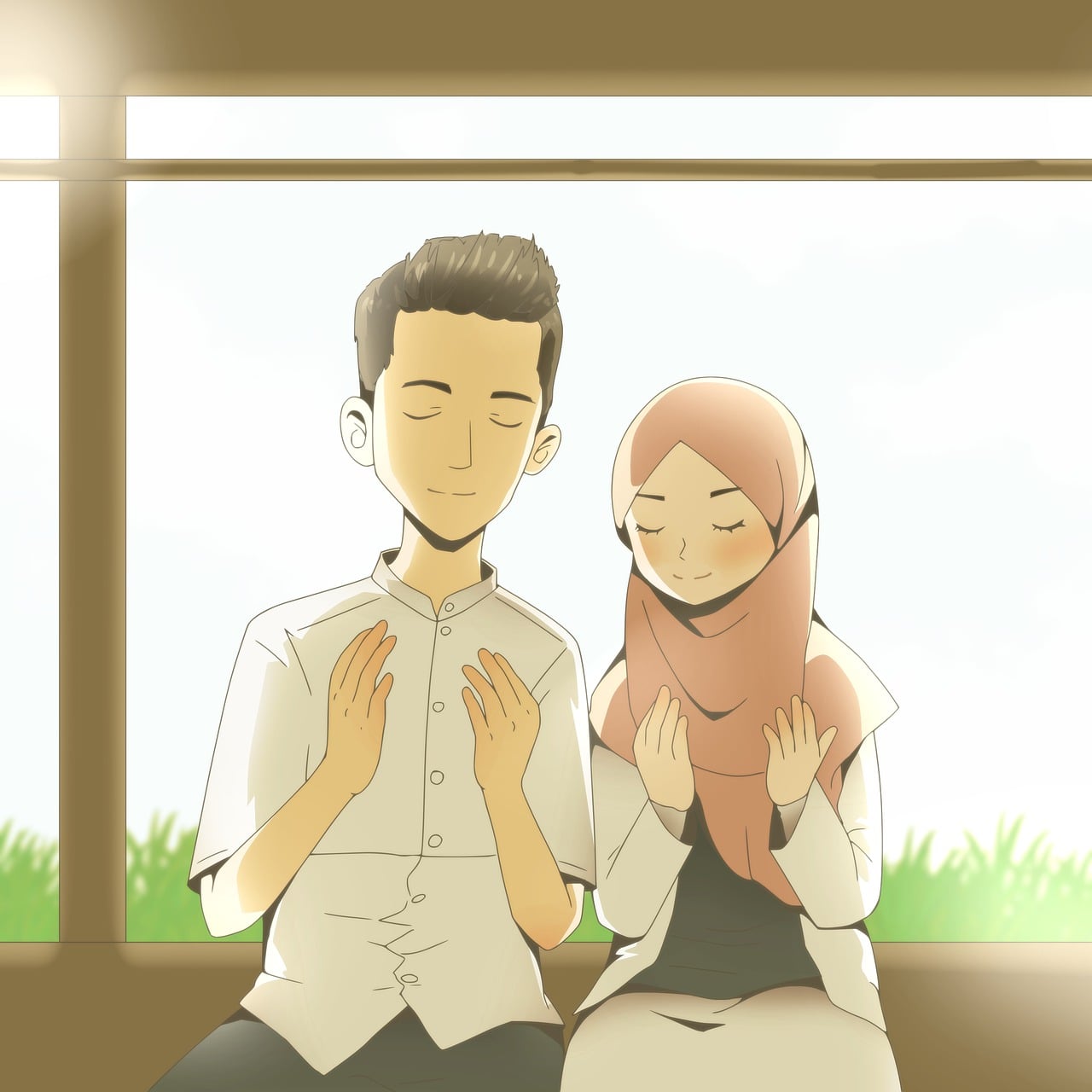
Choosing a husband or wife is one of the biggest decisions you will make in your life.
Marriage is about far more than attraction. You are choosing someone with whom you hope to build a life, a home and, potentially, a family. That means looking beyond appearance, wealth, status or charisma and paying attention to the qualities that will matter long after the excitement of a first meeting has passed.
For Muslims, marriage also has a spiritual dimension. It is a serious commitment involving rights, responsibilities and a shared journey towards pleasing Allah ﷻ.
There is no perfect husband or wife. Everyone has strengths and weaknesses. The aim is not to find someone without faults, but to find someone whose faith, character, values and goals are compatible with your own.
Here are six important qualities to consider when choosing a future husband or wife.
What to Look for in a Husband
1. Strong Deen
Faith should be one of the foundations of your decision.
When considering a future husband, look beyond how religious someone appears during the early stages of getting to know them. Consider how his relationship with Allah influences his everyday behaviour.
Does he pray? Does he take his religious obligations seriously? Does his faith influence the way he treats people?
Most importantly, does he maintain those values when life becomes difficult?
Marriage will bring pressure, disagreement and unexpected challenges. A man’s deen should influence how he behaves towards his wife, including when they disagree.
This does not mean looking for perfection. Every Muslim has weaknesses. What matters is sincerity, commitment and a willingness to improve.
2. Good Character — Akhlaq
Good character is one of the qualities that can reveal what someone is really like.
Pay attention to how he treats people who cannot offer him anything in return.
How does he speak to strangers? How does he treat his parents and family? How does he behave when he is frustrated?
Look for honesty, humility, patience and self-control.
Also notice whether he can accept responsibility when he makes a mistake. Someone who can sincerely apologise and change their behaviour demonstrates an important quality for married life.
A person can make an excellent first impression. Character becomes much clearer over time.
3. Responsibility
Marriage comes with responsibilities, and a future husband should understand the responsibilities expected of him.
Financial responsibility is part of this. A man should have a sensible attitude towards earning, spending and providing for his family.
But responsibility goes beyond money.
Can he keep commitments? Does he plan ahead? Can people rely on him? Does he deal with problems or avoid them?
Circumstances can change. Employment can be lost. Unexpected expenses can arise. What matters is also the person’s attitude when circumstances become difficult.
A responsible husband should be prepared to work, contribute and take his family responsibilities seriously.
4. Gentleness and Emotional Intelligence
A good husband should be able to listen.
When his wife is upset, does he dismiss her feelings or try to understand what she is experiencing?
Can he communicate without becoming harsh?
Can he disagree without insulting?
Can he recognise when his wife needs understanding rather than an immediate solution?
Gentleness is not weakness. A man can be confident, ambitious and decisive while treating his wife with compassion and warmth.
The example of the Prophet Muhammad ﷺ reminds Muslims of the importance of mercy and good treatment within family relationships.
Emotional intelligence also involves managing your own emotions. Anger, frustration and disappointment are inevitable parts of life. How someone handles them can tell you a great deal about their suitability for marriage.
5. Maturity and Wisdom
Marriage requires sound judgement.
There will be financial decisions, family pressures, career changes and difficult conversations. A mature husband does not need to have every answer, but he should be capable of approaching problems thoughtfully.
Consider how he makes decisions.
Does he think about consequences?
Can he accept advice?
Does he learn from mistakes?
Can he remain patient under pressure?
Maturity also means recognising that marriage cannot always be about getting your own way.
Sometimes you compromise. Sometimes you stand firm. Sometimes you need to listen before making a decision.
Wisdom is knowing the difference.
6. Shared Goals and Mutual Respect
Two good people can still be poorly matched.
Before marriage, discuss the things that will shape your future together.
Where do you want to live?
Do you want children?
What are your expectations around work and family life?
How will you approach finances?
What role will extended family have?
What does an Islamic home look like to each of you?
You do not need identical personalities or interests. But your fundamental values and long-term goals should be sufficiently compatible to build a life together.
Mutual respect is equally important. Both people should understand their responsibilities while treating one another with dignity.
What to Look for in a Wife
The same principle applies when choosing a future wife.
Beauty and attraction matter in a marriage, but they should not be allowed to overshadow qualities that will influence everyday married life.
The important question is not simply whether you are attracted to her.
It is whether you can see the two of you building a stable, respectful and faith-centred life together.
1. Strong Deen
Look for a woman whose faith is genuinely important to her.
The Prophet Muhammad ﷺ taught Muslims to give serious consideration to religious commitment when choosing a spouse.
Consider how her deen appears in everyday life.
Does she take her obligations seriously?
Does Islam influence her decisions?
Does she show humility and a willingness to learn?
Does her faith influence how she treats other people?
Again, this is not about finding someone perfect. It is about sincerity, commitment and a genuine desire to live according to Islamic principles.
2. Good Character — Akhlaq
Kindness, honesty, humility and respect are valuable qualities in any marriage.
Observe how she treats the people around her.
How does she speak to her parents?
How does she behave towards friends and strangers?
How does she respond when somebody disagrees with her?
How does she react when she is under pressure?
Good character becomes particularly important when circumstances are difficult.
It is also worth considering whether she can acknowledge mistakes and apologise. Marriage requires both people to recognise when they could have handled something better.
3. Emotional Maturity
Marriage involves emotions, disagreements and difficult conversations.
A future wife should be able to communicate her feelings while maintaining respect for her husband.
Can she discuss difficult subjects?
Can she listen to another perspective?
Can she control her reactions when she is frustrated?
Can she disagree without deliberately hurting the other person?
Emotional maturity does not mean suppressing emotions. It means understanding them and expressing them responsibly.
Both husband and wife need this quality because disagreements are inevitable in any close relationship.
4. Shared Values
Discuss the major decisions before marriage rather than assuming that everything will work itself out later.
Talk about children, careers, finances, living arrangements, education, religious practice and relationships with extended family.
You may have different personalities and interests, and that is perfectly normal.
The important question is whether your fundamental priorities are compatible.
If one person wants a very different lifestyle, family structure or future from the other, attraction alone may not resolve those differences.
5. Mutual Respect
Respect should work in both directions.
A wife should respect her husband’s responsibilities and role within the family, while a husband should respect his wife’s dignity, opinions, abilities and contribution.
Marriage should not become a competition for control.
Both partners should understand their responsibilities and recognise the value of what the other contributes.
Respect also means being able to disagree without belittling one another.
A healthy marriage is not one in which two people never disagree. It is one in which disagreements can be handled without destroying the respect between them.
6. A Nurturing Spirit
Warmth, compassion and care can contribute enormously to the atmosphere of a home.
If children are part of your plans, consider how you both view parenting and family life.
What values would you like your children to learn?
How important is Islamic education?
How would you approach discipline?
What kind of relationship would you like your children to have with their parents?
These conversations help you understand whether you share a similar vision for family life.
A nurturing spirit does not mean that a woman’s identity is limited to the home. Women have ambitions, careers, talents and interests of their own.
The question is whether both of you can build a family environment based on care, responsibility and mutual support.
Look Beyond the Obvious
When choosing a marriage partner, first impressions can be misleading.
Someone can be attractive, successful or charismatic while lacking the qualities necessary for a healthy marriage.
Equally, someone may not initially appear extraordinary but could possess exceptional character, faith and emotional maturity.
That is why getting to know someone properly matters.
Listen to what they say, but also pay attention to whether their actions support their words.
Ask meaningful questions.
Discuss the subjects that could affect your future together.
Where appropriate, involve trusted family members, a wali and people who genuinely know the person.
Do not ignore significant differences simply because there is strong attraction.
And do not expect another human being to be flawless.
Ask the Questions That Matter
Before marriage, important conversations should include:
- Faith and religious practice
- Prayer and Islamic education
- Children and parenting
- Finances and spending
- Work and career
- Living arrangements
- Household responsibilities
- Relationships with parents and extended family
- Where you intend to live
- Education
- Communication
- Conflict resolution
- Personal boundaries
- Previous marriage, where relevant
- Expectations of affection and intimacy
- Long-term ambitions
These conversations are not designed to create a perfect marriage plan.
They are there to help two people understand one another before making a major commitment.
It is far better to discover a fundamental difference before marriage than after the nikah.
Look at Yourself Too
There is one final question that is easy to overlook:
Are you becoming the person you are asking someone else to be?
If you want a husband with strong deen, are you working on your own relationship with Allah?
If you want a wife with good character, are you developing your own character?
If you want emotional maturity, can you handle disagreement with patience?
If you want honesty, are you honest?
If you want respect, do you give respect?
Marriage is not simply about finding the right person.
It is also about becoming the right person for someone else.
Choosing With Both Heart and Wisdom
You should be attracted to the person you marry. Emotional connection matters.
But attraction should sit alongside wisdom.
Ask yourself whether this person has the faith, character, maturity and values that you can build a life around.
For Muslims, the process can also involve istikhara, consultation with trusted people and seeking appropriate guidance.
We cannot know exactly what the future holds.
We can, however, take reasonable steps to make a careful decision and place our trust in Allah ﷻ.
When choosing a husband, you may be choosing the father of your children and someone who will share responsibility for your family.
When choosing a wife, you may be choosing the mother of your children and someone who will help shape the environment in which your family grows.
That is why this decision deserves more than a quick judgement based on a photograph, profile or first conversation.
Look at the person.
Understand their values.
Discuss the difficult subjects.
Observe their character.
And give yourself enough time to make a considered decision.
Building a Marriage on Trust
At Muslim Marriage Services, we believe finding a marriage partner should involve more than simply scrolling through profiles.
It should involve trust, accountability, sincerity and appropriate safeguards.
Our approach is designed to help people move towards marriage with greater confidence while taking digital trust and security seriously.
If you are interested in becoming part of our Founding 200, DM “PIONEER” to learn more about the next steps.
Choosing a husband or wife is one of life’s biggest decisions.
Take your time. Ask the important questions. Look beyond the obvious.
And remember that the qualities you seek in a marriage partner are also qualities worth developing within yourself.
May Allah guide everyone searching for a righteous marriage partner and bless them with marriages built upon faith, mercy, trust and tranquillity.
Ameen.