
Is a Nikah legally recognised in the UK?
This is one of the most common questions among Muslim couples planning marriage.
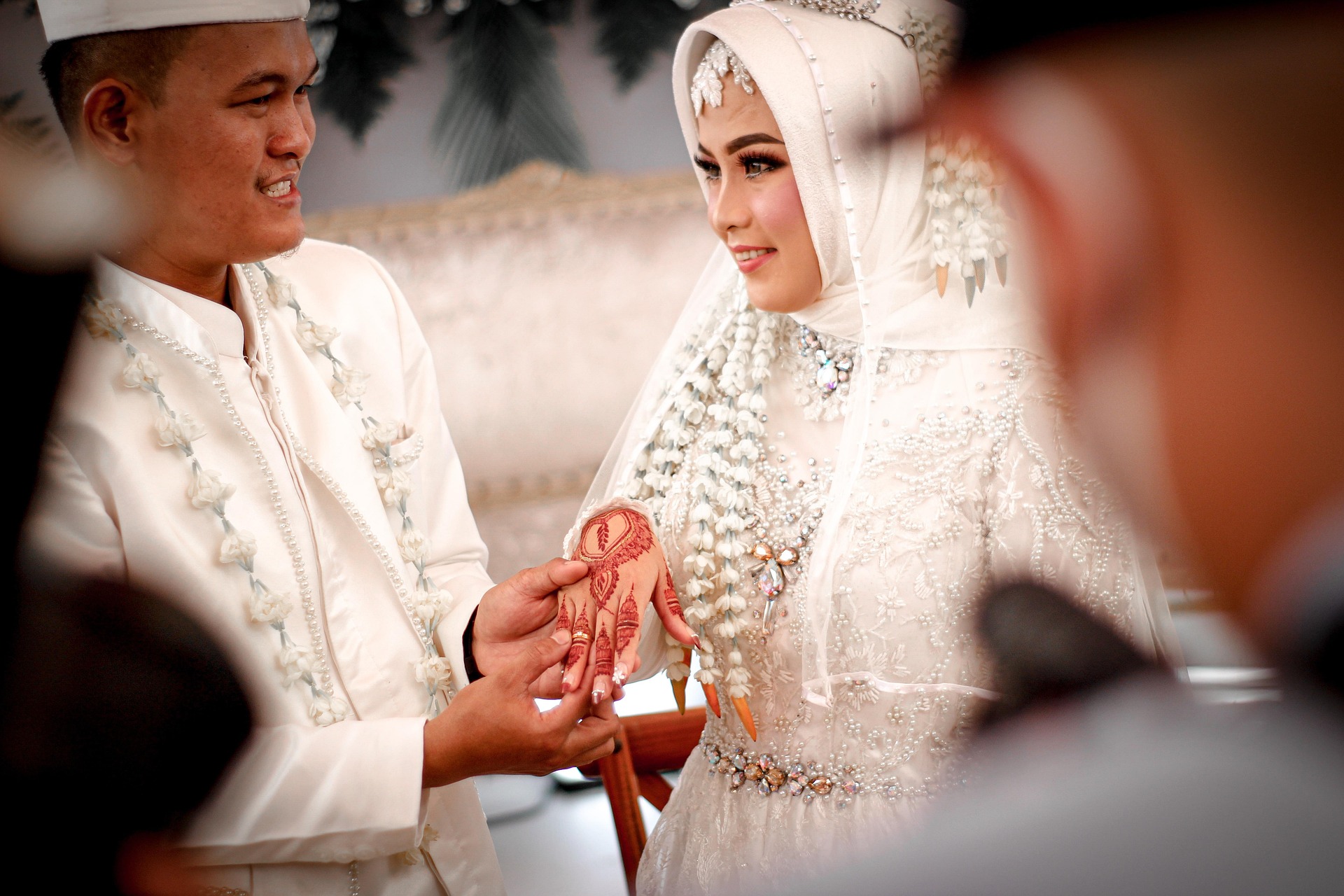
For many Muslims in the UK, the Nikah is seen as the moment a marriage officially begins. The Imam conducts the ceremony, vows are exchanged, families celebrate, and the couple is recognised socially and religiously as husband and wife.
A Nikah is not automatically recognised as a legal marriage in the UK unless it is also registered as a civil marriage under UK law. Without civil registration, couples may be treated as cohabiting partners rather than legally married spouses.
This distinction is often only understood when serious life events occur, such as separation, inheritance disputes, illness, or death.
At Muslim Marriage Services (MMS), the goal is to provide clarity before marriage, not confusion afterwards.
Understanding how Islamic marriage and UK civil law interact is essential for protecting yourself, your spouse, and your future family.
What is a Nikah in Islam?
In Islam, a Nikah is a binding and valid marriage contract that establishes rights and responsibilities between spouses.
It includes:
- mutual consent (ijab and qabul)
- a Mahr (mandatory marriage gift)
- witnesses
- a formal contractual agreement
Islamically, the Nikah makes the relationship lawful and defines the framework of marital responsibilities.
However, Islamic validity and UK legal recognition are two separate systems.
How UK marriage law works
UK marriage law is based on civil registration.
In simple terms:
A marriage is only legally recognised in the UK when it is properly registered under UK civil law.
A religious ceremony alone — including a Nikah — does not automatically create legal marriage status unless it is also conducted within a legally recognised framework or followed by civil registration.
When a Nikah may not be legally recognised in the UK
A Nikah may not be legally recognised if it takes place:
- at home
- in an unregistered venue
- in a non-licensed mosque
- without civil registration
In these cases, UK law may treat the couple as unmarried cohabiting partners, even if they:
- consider themselves married
- have lived together for many years
- have children together
The common law marriage myth
A widespread misconception in the UK is the idea of “common law marriage”.
Many people believe that long-term cohabitation automatically creates legal marriage rights.
This is incorrect.
There is no common law marriage in England and Wales
This means:
- living together for any length of time does not create marriage rights
- there is no automatic spouse status
- legal protection must come from civil marriage or legal agreements
What problems can arise without legal marriage registration?
1. Inheritance issues
Without legal recognition or a valid will:
- a partner may not automatically inherit
- assets may pass to family members instead
- disputes can arise over property and estates
2. Pension and financial rights
A legally married spouse may access:
- pension benefits
- tax-related entitlements
- inheritance protections
These may not apply without legal marriage status.
3. Separation and financial vulnerability
If a relationship ends:
- legally married spouses may access family court protections
- unmarried partners often have limited legal claims
- financially dependent partners may be significantly disadvantaged
Real-world context (why this matters)
Many couples only realise the legal position when something goes wrong.
Examples include:
- long-term couples assumed to be legally married
- disputes after separation
- inheritance conflicts after death
- confusion over property ownership
These issues often arise because emotional, religious, and legal understandings of marriage do not align.
Media context: public awareness of unregistered marriages
The issue of unregistered religious marriages has also been discussed in public media.
A Channel 4 documentary (2014), The Men with Many Wives, highlighted concerns around religious-only marriages in the UK and suggested there may be around 20,000 such marriages that fall outside formal legal recognition.
While this is not a legal source, it reflects broader public awareness of how religious marriages can exist outside the civil legal system — and the consequences this can create in real-life situations.
Does this affect Islamic validity?
No.
A Nikah remains Islamically valid when performed according to Sharia requirements.
However, Islam also places strong emphasis on:
- protecting rights
- preventing harm
- clarity in agreements
- fairness between spouses
Marriage in Islam is both a spiritual and contractual commitment, not only a symbolic act.
Why civil registration supports Islamic principles
Civil registration helps ensure:
- clear legal rights and responsibilities
- financial protection for both spouses
- reduced risk of disputes
- protection for children and dependents
These align with key Islamic principles:
- justice (ʿadl)
- prevention of harm (darar)
- clarity in contracts (ʿaqd)
What should Muslim couples do in the UK?
1. Complete both forms of marriage
- Islamic Nikah
- Civil registration
2. Check mosque licensing
Some mosques are licensed to conduct legally recognised marriages; others are not.
3. If not licensed, complete civil registration separately
This is usually done through a UK registry office.
What about marriages abroad?
Many British Muslims marry overseas for cultural or family reasons.
However, UK recognition is not automatic.
An overseas marriage may be recognised only if:
1. It is legally valid in that country
The marriage must comply with local law.
2. Proper documentation exists
Including:
- official marriage certificate
- government registration documents
- certified translations if needed
3. It complies with UK legal standards
The UK may not recognise marriages involving:
- forced marriage
- underage marriage
- certain prohibited polygamous arrangements
Why documentation matters
Marriage documentation may be required for:
- immigration applications
- inheritance claims
- pension entitlements
- legal disputes
- financial separation cases
Without documentation, proving marital status can become difficult.
Unregistered religious marriages in the UK
Some couples enter religious-only marriages without civil registration due to:
- lack of awareness
- cultural tradition
- assumption that Nikah alone is sufficient
However, this can lead to:
- limited legal protection
- difficulty enforcing rights
- vulnerability in disputes involving property or children
Islamic teaching on responsibility
Islam encourages believers to take practical steps to protect themselves.
The Prophet Muhammad (peace be upon him) said:
“Tie your camel and trust in Allah.”
Marriage reflects this principle: faith and responsibility work together.
Legal registration does not replace Islamic validity — it strengthens protection and reduces harm.
Key questions before marriage
If marrying in the UK:
- Is the marriage legally registered?
- Is the mosque licensed?
- Are both spouses legally protected?
If marrying abroad:
- Is the marriage officially registered locally?
- Is documentation properly issued?
- Will the UK recognise the marriage?
Conclusion
A Nikah is a deeply meaningful and valid Islamic contract.
However, UK legal recognition requires separate civil registration, and many couples are not aware of this until serious life events occur.
Understanding both systems helps protect:
- your rights
- your spouse
- your children
- your financial future
Marriage should be built on both faith and clarity.
Disclaimer
This article is for educational purposes only and does not constitute legal advice. For advice relating to marriage or family law in the UK, please consult a qualified solicitor.