

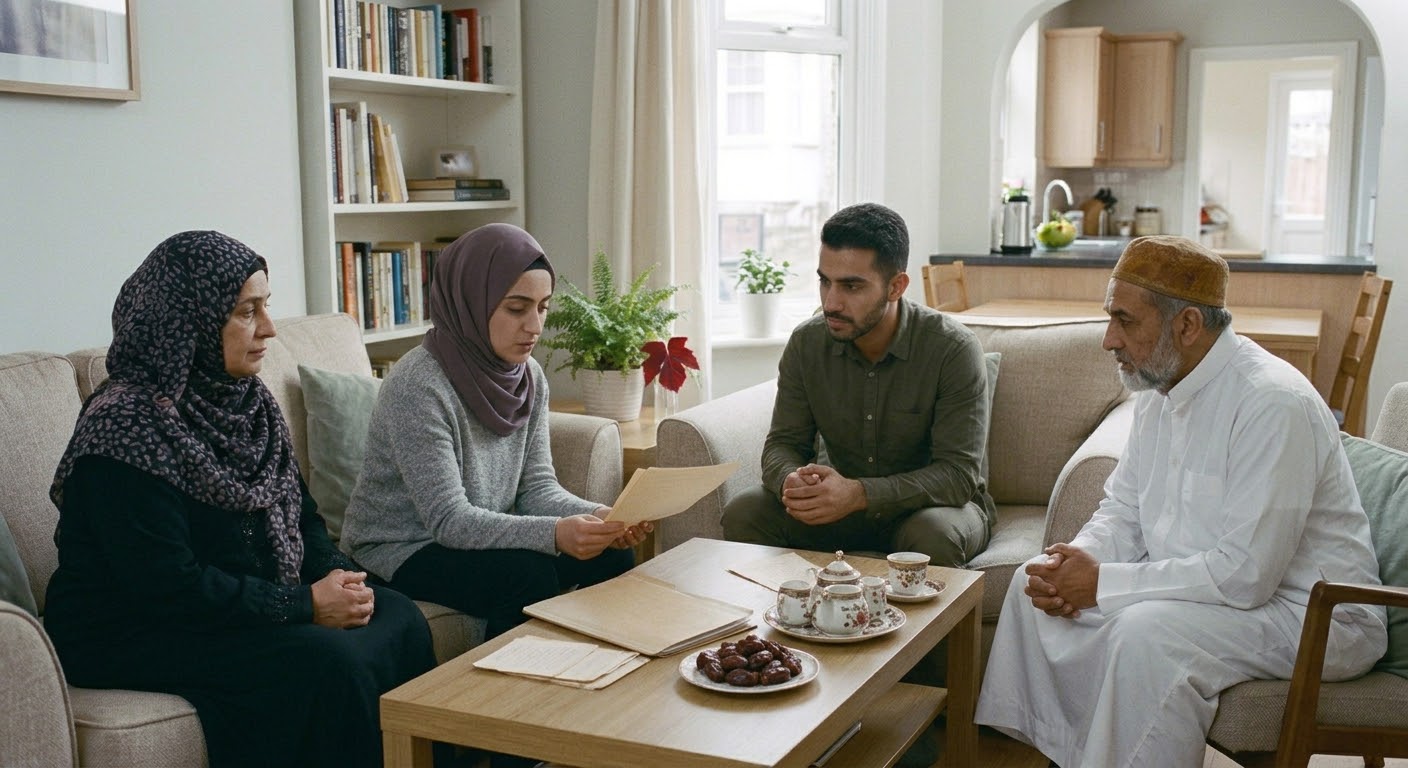
When someone mentions that they are divorced, the reaction in some communities can be immediate: an awkward silence, a change in expression or a subtle sense of judgement. In Muslim matchmaking, a previous marriage is sometimes treated as a red flag, as though it automatically says something negative about a person’s character or suitability for marriage.
But why?
When did a life event recognised and accommodated within Islam become a reason to question someone’s worth or deny them the opportunity to find happiness again?
Divorce is never something to take lightly, but neither should it become a permanent label. If we look at Islamic history, consider the realities of modern relationships and reflect on our faith, we begin to see how cultural attitudes have sometimes overshadowed the principles of compassion, fairness and dignity.
It is time to reconsider how we view divorce.
1. Forgotten History: Divorce and Remarriage in the Time of the Prophet ﷺ
One of the strongest ways to challenge the stigma surrounding divorce is to look at the example of our beloved Prophet Muhammad ﷺ.
Marriage, widowhood, divorce and remarriage were recognised realities during his lifetime. Previous marital status did not automatically prevent someone from finding another suitable partner.
The Prophet ﷺ himself married women who had previously been married.
Khadijah (RA) had been married before marrying the Prophet ﷺ. Sawdah (RA) and Hafsah (RA) were widowed, while Umm Salamah (RA) was also a widow when she married him.
Another important example is Zaynab bint Jahsh (RA), who had previously been married to Zayd ibn Harithah (RA). Following the end of that marriage, she subsequently married the Prophet ﷺ.
These examples demonstrate that previous marital history was not an automatic barrier to marriage.
The Qur’an also addresses the rights of divorced women. In Surah Al-Baqarah (2:232), Allah warns against preventing divorced women from remarrying when they and their former husbands have reached an acceptable agreement.
This is an important reminder that Islam recognises the right of people to move forward with their lives.
Our faith encourages us to consider character, faith, conduct and responsibility rather than reducing someone to their previous marital status.
Unfortunately, in some communities, cultural expectations have become so deeply established that people sometimes mistake them for Islamic principles.
We need to recognise the difference.
2. The Complex Realities of Why Marriages End
One of the biggest problems with the stigma surrounding divorce is the assumption that if someone’s marriage ended, there must be something wrong with them.
The reality is considerably more complicated.
Marriage involves two individuals, their personalities, expectations, families and circumstances. Even when both people enter a marriage with sincere intentions, there is no guarantee that they will remain compatible.
Consider some of the reasons marriages end.
Incompatibility
Sometimes, two decent people simply discover that they are not right for each other.
They may have different expectations about family life, finances, children, careers or religious practice. Their personalities and communication styles may also create difficulties.
Neither person necessarily needs to be the villain. Despite genuine efforts, a marriage may simply fail to provide the companionship and stability both individuals need.
Family interference and external pressures
In some marriages, difficulties extend beyond the husband and wife.
Unwanted interference from relatives, strained relationships with in-laws and pressure from extended family members can place considerable strain on a relationship.
Marriage should involve two people building a life together, but outside involvement can sometimes undermine trust and create unnecessary conflict.
Unhealthy or unacceptable behaviour
Sadly, some people experience emotional neglect, controlling behaviour, dishonesty, financial irresponsibility, infidelity or abuse.
Leaving an unhealthy or abusive situation is not automatically a sign of failure. Sometimes it takes considerable courage to recognise that a relationship is damaging and that remaining in it is no longer reasonable.
Unrealistic expectations
Others may discover that they entered marriage without fully understanding its responsibilities.
Unrealistic expectations, poor communication and an unwillingness to compromise can gradually undermine a relationship.
These experiences can teach important lessons about patience, communication and mutual responsibility.
The important point is that we cannot understand the complete story of a marriage simply by knowing that it ended.
Equally, we should not automatically assume that one person was entirely responsible or entirely blameless.
What we should avoid is passing judgement without understanding the circumstances.
3. A Clear Double Standard: Casual Dating Versus Marriage
There is another issue worth considering: the double standard in how society views relationship histories.
In modern dating culture, people may spend years in relationships that never lead to marriage. They may experience several relationships and break-ups before deciding what they want from life.
These experiences are often described as part of discovering what they want in a partner.
Yet, when a Muslim enters a marriage through a halal commitment and that marriage eventually ends, the reaction can be very different.
Suddenly, their marital history becomes a subject of scrutiny.
Why should someone who attempted to build a life through marriage be treated less favourably simply because that marriage did not last?
Why should a divorced woman have to justify her previous marriage before being considered a suitable wife? Why should a divorced man automatically be viewed with suspicion?
Of course, prospective partners are entitled to ask reasonable questions about previous marriages, children and ongoing responsibilities. Honesty and transparency are essential when considering a future together.
However, there is a difference between understanding someone’s circumstances and treating their past as a permanent disadvantage.
Entering marriage with sincere intentions should not become a reason for greater social punishment when circumstances do not work out.
4. Growth, Resilience and the Importance of Second Chances
Divorce is rarely a straightforward experience.
It can involve emotional pain, financial uncertainty, family disagreements and the challenge of rebuilding one’s life.
However, difficult experiences can also provide valuable lessons.
Self-awareness: A previous marriage can help someone understand their expectations, values, boundaries and what they genuinely need from a life partner.
Emotional resilience: Overcoming a difficult period can develop patience, strength and a greater appreciation of emotional stability.
Better communication: Previous experiences can highlight the importance of discussing finances, family expectations, children, responsibilities and future plans before entering another marriage.
A greater understanding of compatibility: People may discover that attraction alone is not enough. Shared values, mutual respect, communication and a willingness to work together are equally important.
Of course, these qualities do not develop automatically. Healing takes time, and not everyone is immediately ready for another commitment.
What matters is whether someone has reflected on their experiences, understands their responsibilities and is genuinely prepared to build a healthy relationship.
A person may marry once, twice or more before finding a compatible life partner.
That does not automatically make them less deserving of happiness.
Everyone deserves the opportunity to move forward, provided they approach their next commitment with honesty, maturity and sincerity.
5. Reviving the Sunnah: Changing Our Mindset
If we genuinely want Muslim communities to reflect Islamic principles, we need to reconsider how we treat divorced people.
Compassion, kindness and fairness must extend beyond religious discussions and become part of our everyday behaviour.
There are several practical ways to change attitudes.
Focus on character, not labels
A person’s marital history is only one part of their life. Greater consideration should be given to their faith, honesty, values, emotional maturity and how they treat others.
Someone who has been divorced is not automatically a better or worse potential spouse than someone who has never married.
Ask questions with respect
It is reasonable for prospective partners to discuss previous marriages. However, there is a difference between seeking understanding and making someone feel as though they are on trial.
Conversations should be respectful and balanced, allowing both individuals to discuss what they have learned and what they expect from a future marriage.
Recognise that children are not a disadvantage
Some divorced people have children from previous marriages.
Children are not baggage, nor should they automatically become a reason to dismiss a potential partner.
Naturally, marrying someone with children brings additional considerations and responsibilities. Prospective partners should understand these circumstances and decide whether they are prepared for them.
Children deserve dignity and consideration too.
Stop treating divorce as gossip
In some communities, someone’s divorce becomes a subject of speculation among relatives and acquaintances.
We should remember that private marital difficulties are not entertainment.
Islam places considerable importance on protecting people’s dignity and avoiding suspicion, backbiting and the unnecessary exposure of personal matters.
Apply fairness to both men and women
There can sometimes be different expectations for divorced men and women.
A divorced man may be considered ready to marry again, while a divorced woman faces questions about her reputation or suitability.
Neither should be subjected to unfair judgement.
Dignity, honesty and responsibility apply equally to everyone.
If we want to follow the example of the Prophet ﷺ, fairness must be reflected in how we treat people.
Conclusion: Building a Community Based on Trust and Respect
At Muslim Marriage Services (MMS), our ambition extends beyond introducing people who are looking for marriage.
We want to contribute towards changing the culture surrounding Muslim marriage and matchmaking.
We believe people should be assessed on their character, values, intentions, compatibility and willingness to build a responsible partnership.
A previous marriage should not automatically become a barrier to finding another.
Equally, we believe in honesty and transparency. Previous marriages, children and relevant ongoing responsibilities should be discussed appropriately when two people are considering a future together.
Trust cannot be built by hiding important information, but neither can it be built through prejudice and assumptions.
We are currently building our Founding 200, bringing together people who share a vision of a more dignified, responsible and trust-led approach to Muslim marriage.
We believe in giving people the opportunity to demonstrate who they are today, rather than judging them solely by a chapter of their lives that has already ended.
After all, divorce is a change in marital status. It is not a measure of someone’s faith, character, worth or ability to love again.
Perhaps it is time we stopped asking whether someone has been married before and started asking a much more meaningful question:
Are they the right person to build a future with?
Join the Movement
Are you ready to be part of a more respectful approach to Muslim marriage?
Join Muslim Marriage Services and help us build our Founding 200: a community founded on trust, dignity, honesty and mutual respect.
Because your past should not define your future.